One-Stop Script Junction
-
26
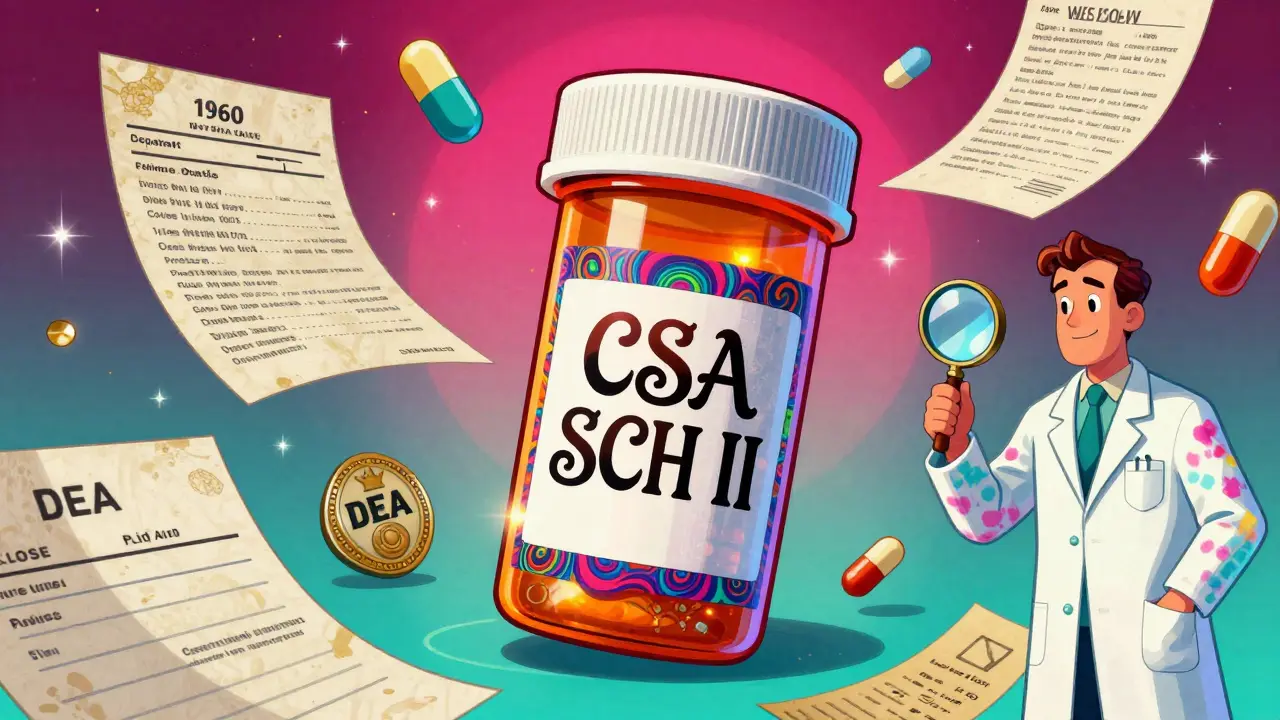
Learn how controlled substance labels and DEA schedule codes work in the U.S. Understand why some prescriptions can't be refilled, how schedules affect your access, and what changes are coming in 2025.
-
26

Penicillin desensitization safely allows allergic patients to receive life-saving penicillin when no alternatives exist. Learn how it works, who qualifies, and why it's critical for fighting antibiotic resistance.
-
24

Mast Cell Activation: How Mediator Release Triggers Symptoms and How Stabilizers Help
- by Leslie Jones
Mast cell activation releases histamine, tryptase, and other mediators that cause chronic, multi-system symptoms. Mast cell stabilizers like cromolyn sodium prevent this release, offering relief for MCAS patients when used consistently over weeks.
-
23
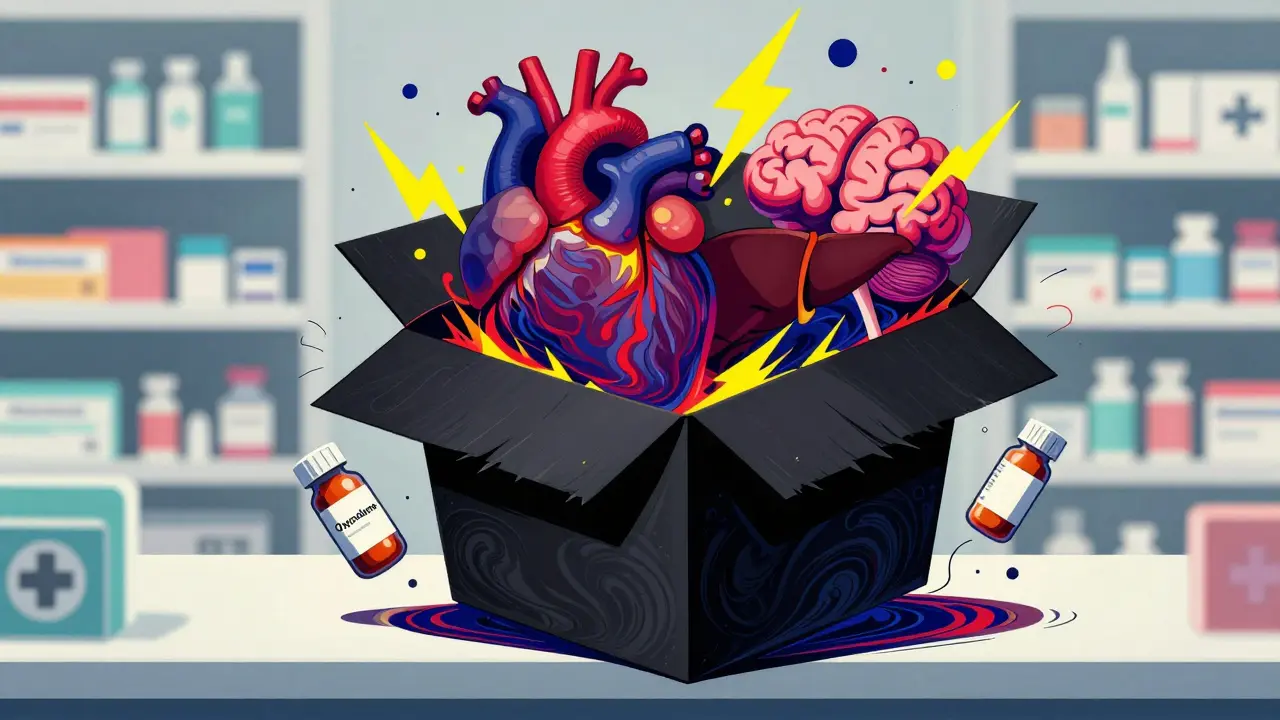
Black Box Warnings: What You Need to Know About the FDA’s Strongest Drug Safety Alerts
- by Leslie Jones
Black box warnings are the FDA's strongest safety alerts for prescription drugs that carry life-threatening risks. Learn what they mean, how they work, and what to do if you're prescribed one.
-
21

Alcoholic liver disease progresses silently from fatty liver to cirrhosis. Learn the three stages, how alcohol damages the liver, what reverses it, and why quitting early saves lives.
-
19
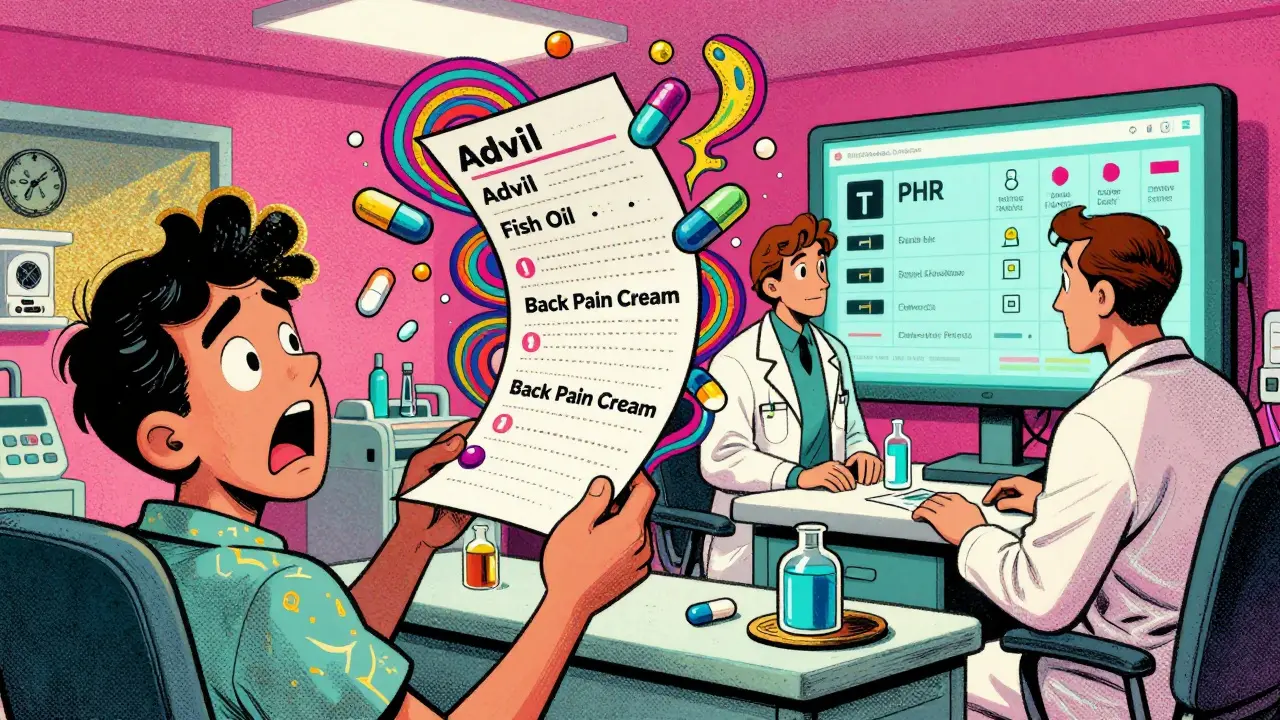
Personal health records help track medications across pharmacies, but gaps remain in OTC drugs, refill accuracy, and data sharing. Learn how to use them effectively - and why your own list still matters most.
-
18

How to Prepare for Medication Discussions with Your OB/GYN During Pregnancy and Breastfeeding
- by Leslie Jones
Learn how to prepare for medication discussions with your OB/GYN during pregnancy and breastfeeding. Know what to bring, what to ask, and which drugs are safe-or risky-so you can make informed decisions for you and your baby.
-
17
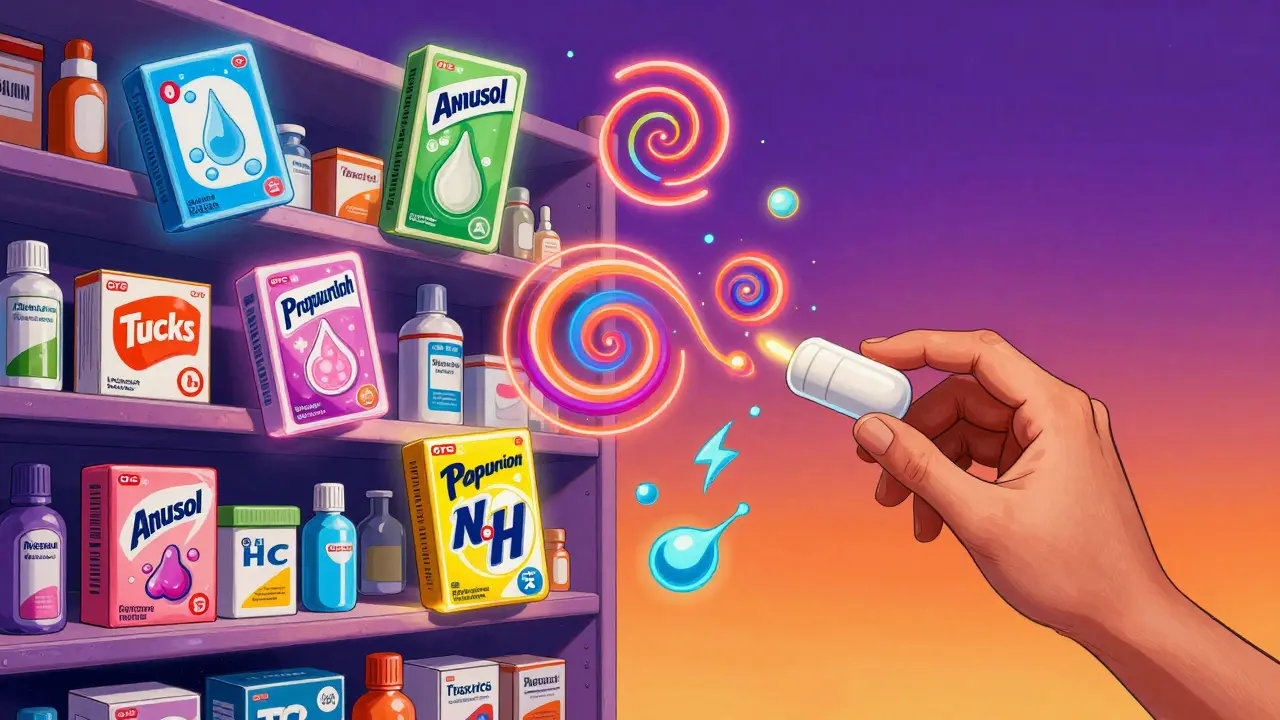
OTC hemorrhoid treatments can relieve itching and pain, but they don't cure hemorrhoids. Learn when to use them, which products work best, and when to see a doctor instead.
-
16
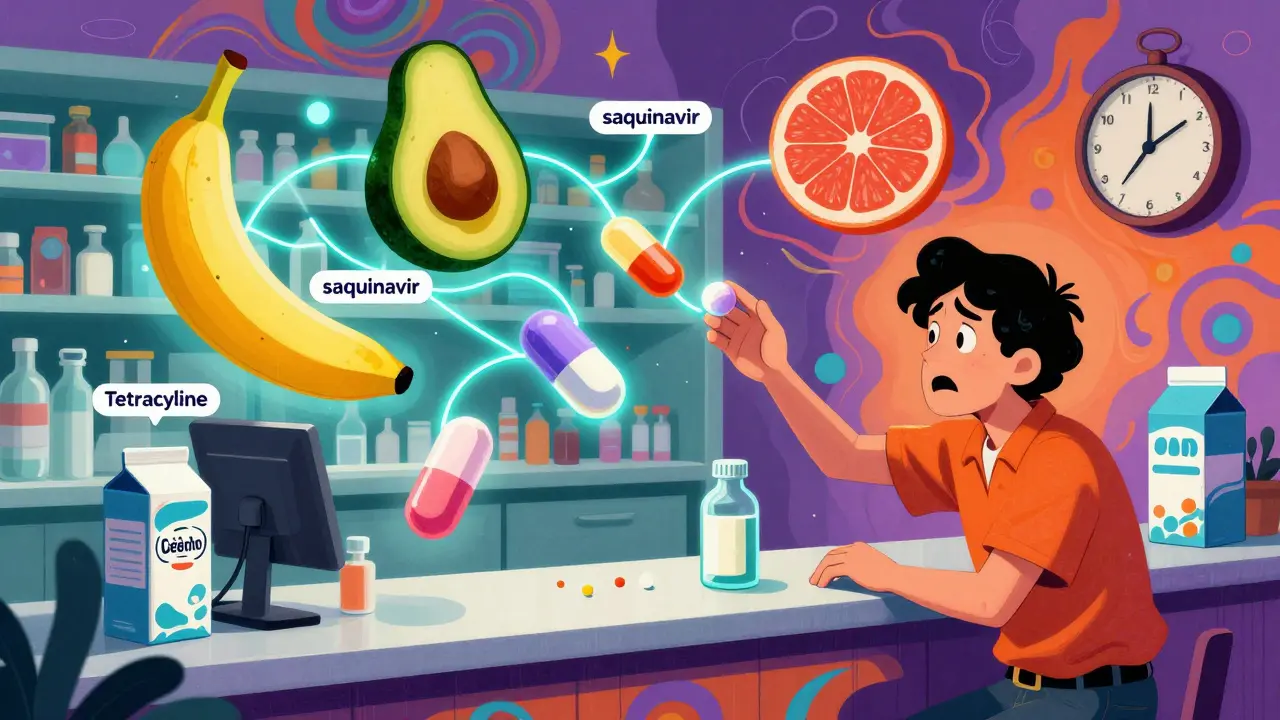
Taking Prescription Medicine with Food vs. on an Empty Stomach: What You Really Need to Know
- by Leslie Jones
Taking prescription meds with or without food can make them work better-or not at all. Learn which drugs need food, which must be taken empty-stomach, and how to avoid dangerous interactions.
-
14
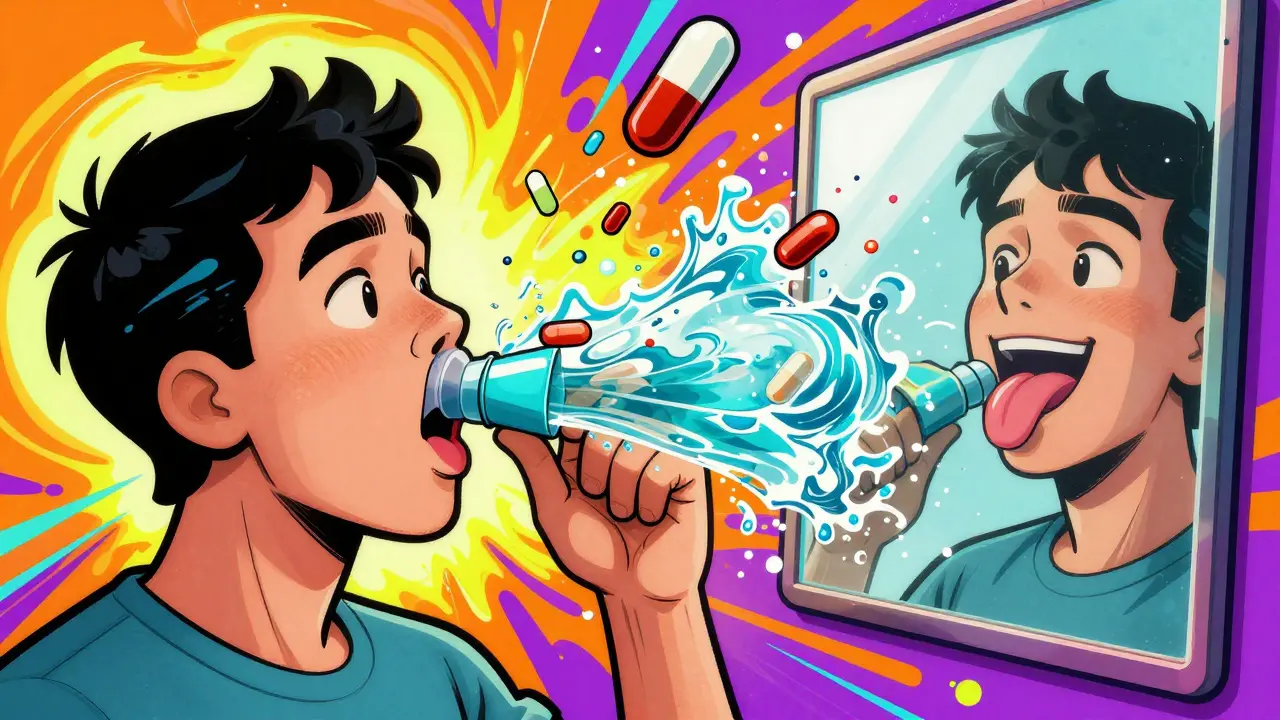
Learn how to prevent oral thrush and hoarseness from inhaled corticosteroids with simple, proven steps: rinse after every use, use a spacer, and check your mouth weekly. These habits cut side effects by up to 80%.
-
11
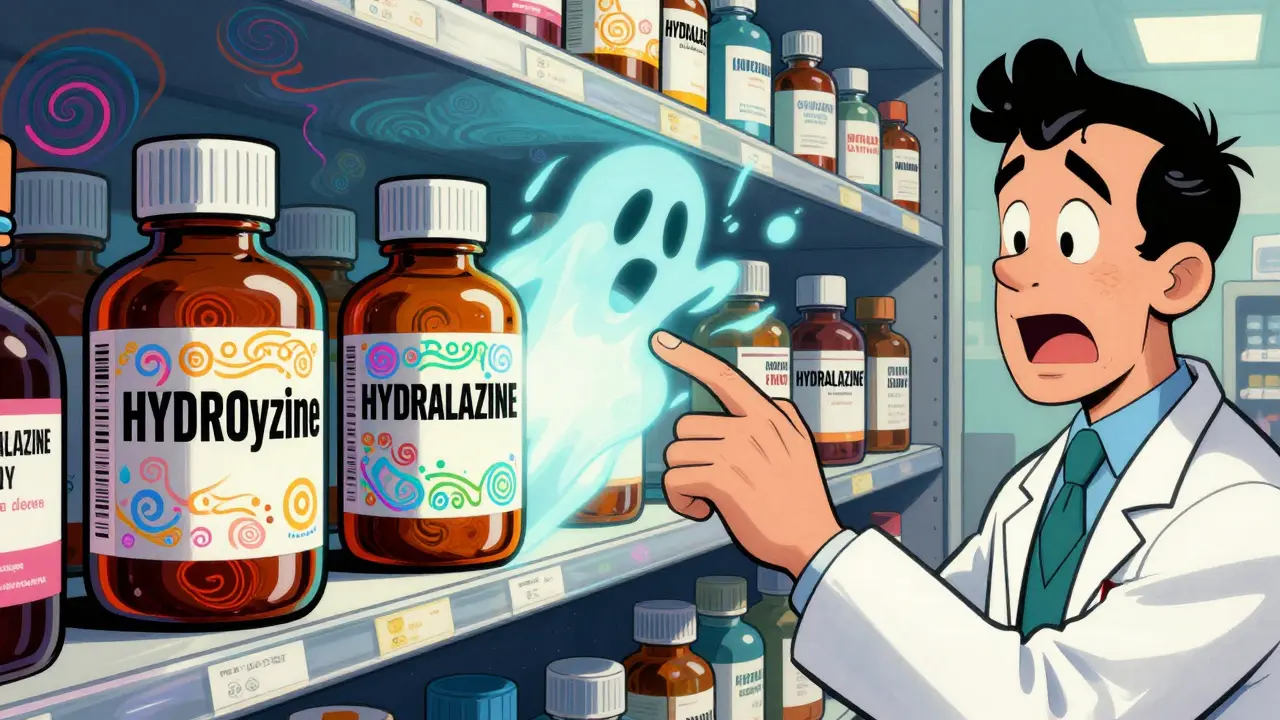
Look-alike packaging in pharmacies causes thousands of medication errors each year. Learn how physical separation, Tall Man Lettering, and barcode scanning can prevent deadly mix-ups-without expensive overhauls.
-
10
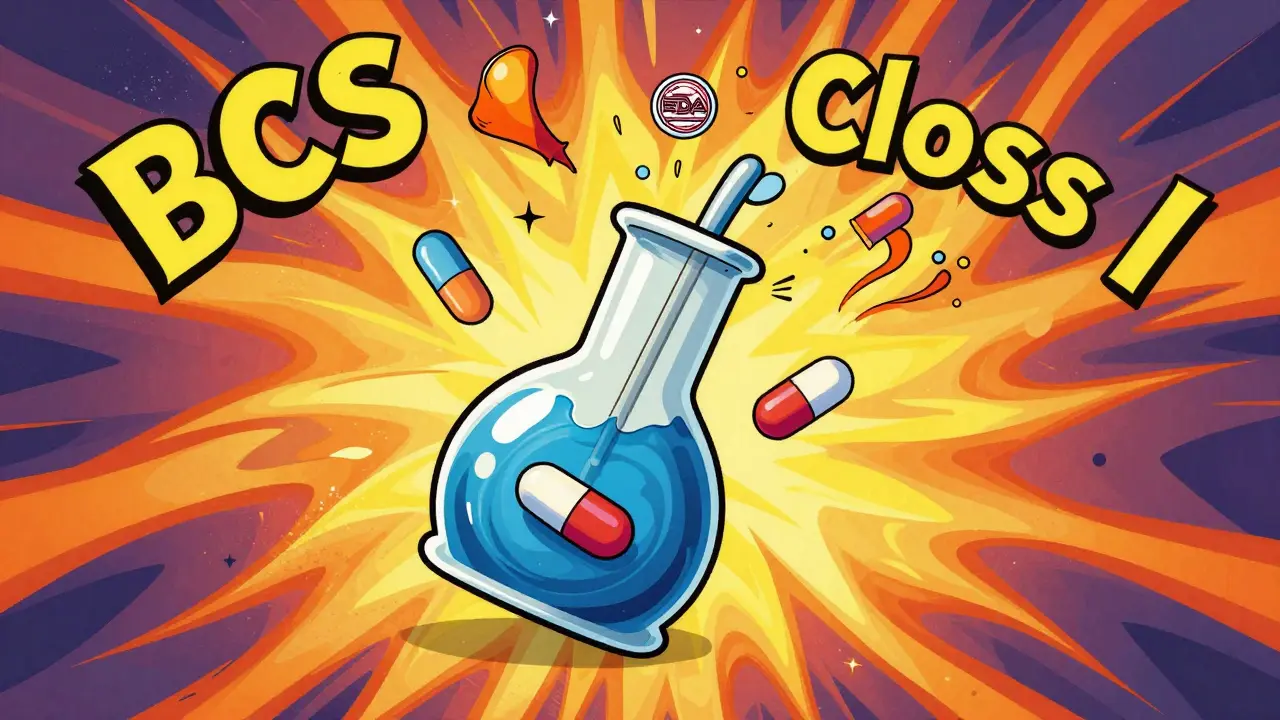
The FDA allows bioequivalence waivers for certain generic drugs, skipping costly human trials when in vitro dissolution tests prove the drug behaves the same. Learn which drugs qualify and how the science works.
Categories
Tags Weight
- medication safety
- online pharmacy
- TSA medication rules
- medication side effects
- bioequivalence
- generic drugs
- hair loss treatment
- allergic conjunctivitis
- treatment
- alternatives
- quality of life
- benzoyl peroxide
- antibiotic alternatives
- antibiotic side effects
- acne treatment
- side effects
- drug shortages
- counterfeit drugs
- hypertension treatment
- black box warning