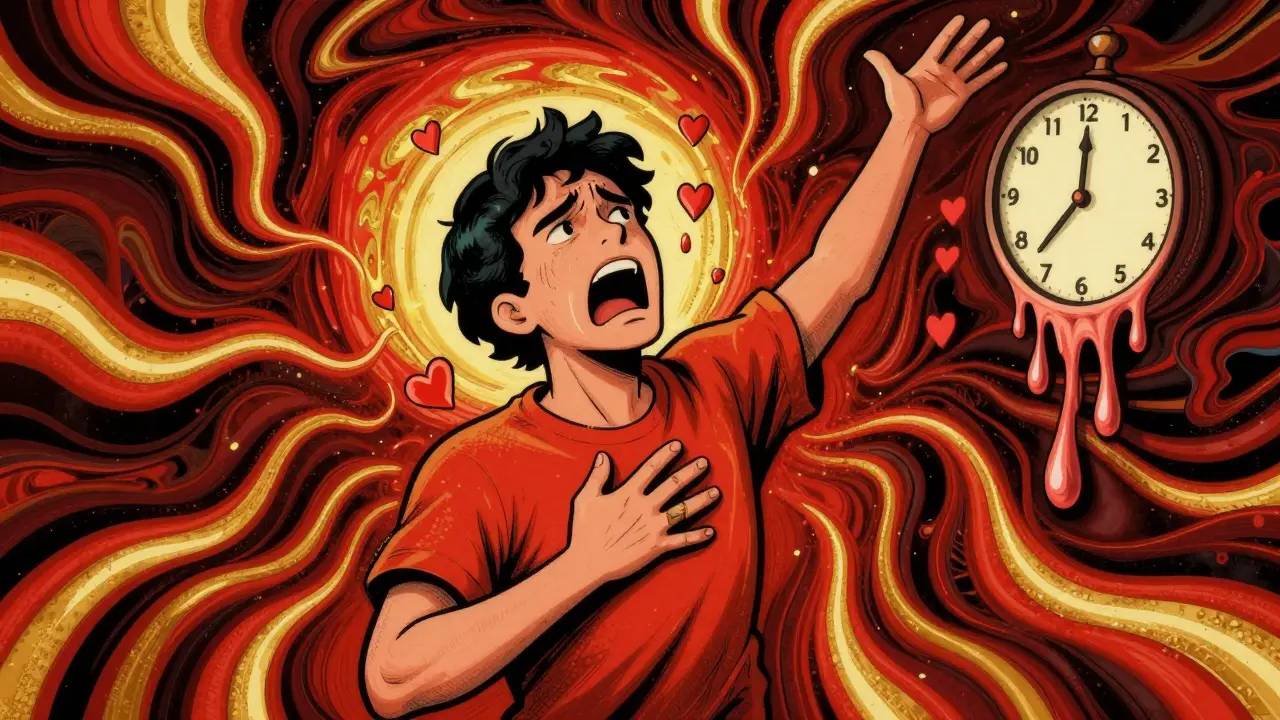
When your chest hurts, it’s natural to panic. Is it heartburn? A pulled muscle? Or something life-threatening? The truth is, chest pain isn’t always about the heart-but when it is, every minute counts. About 6 to 8 million people in the U.S. show up to emergency departments each year with chest pain. Only 10 to 15% of them are having a heart attack. But skipping the ER when you should go can be deadly. Knowing when to act isn’t about guessing-it’s about recognizing the red flags backed by science.
What Counts as Chest Pain?
Chest pain isn’t just a sharp stab or crushing weight in your chest. The 2021 American Heart Association and American College of Cardiology guidelines define it broadly: pressure, tightness, burning, or discomfort anywhere from your chest down to your jaw, neck, shoulders, arms, or upper belly. It might come with shortness of breath, nausea, cold sweat, or sudden fatigue. These are called anginal equivalents-signs your heart isn’t getting enough blood, even if you don’t feel classic chest pain.
Women, older adults, and people with diabetes are more likely to have these atypical symptoms. A 72-year-old woman might not say her chest hurts-she might just feel exhausted, nauseated, or like she’s been hit by a truck. That’s still a red flag.
When You Must Go to the Emergency Department
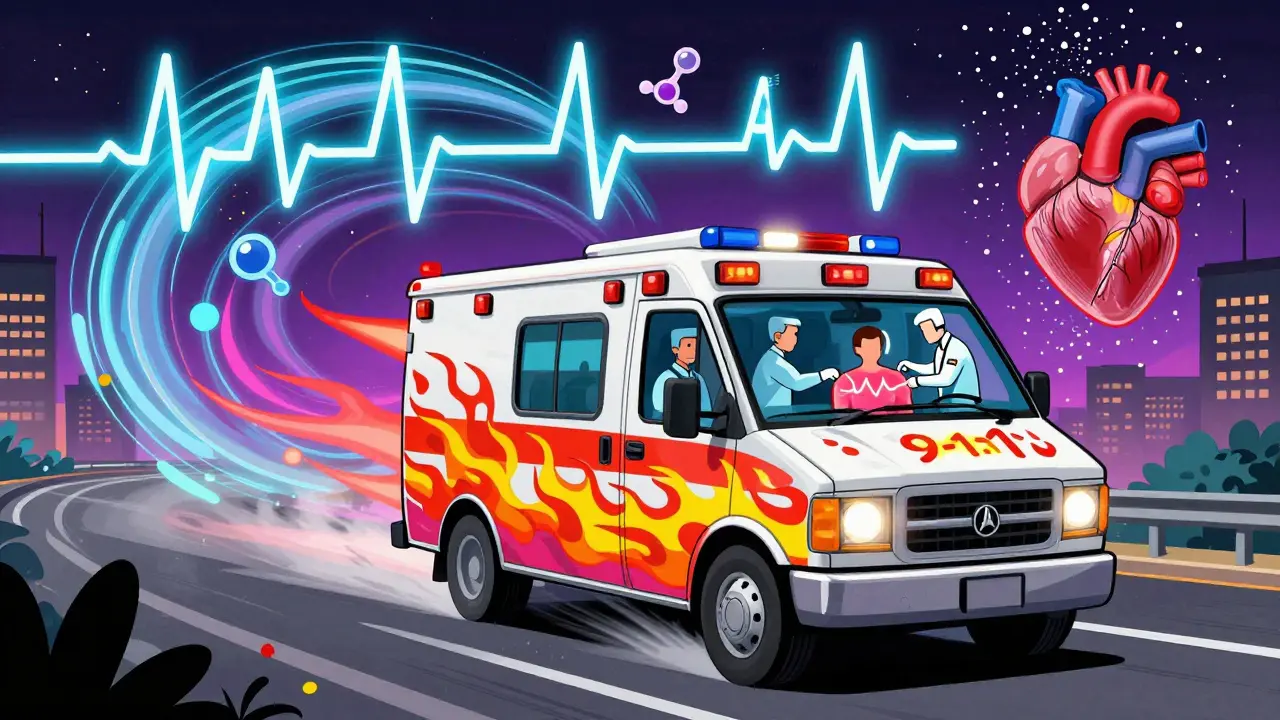
You don’t need to be sure it’s a heart attack to go. If you’re unsure, call 9-1-1. Emergency medical services (EMS) can start life-saving treatment before you even reach the hospital. Here’s when to go right now:
- You have chest pressure, squeezing, or heaviness lasting more than 5 minutes that doesn’t go away with rest or nitroglycerin.
- The pain spreads to your arm, jaw, neck, or back.
- You’re sweating cold, clammy sweat-like you just ran a marathon in winter.
- You’re short of breath, dizzy, or passing out.
- You feel nauseous or vomit without a clear cause.
- Your heart is racing or fluttering irregularly, especially with chest discomfort.
- You have a history of heart disease and this feels different from your usual angina.
These aren’t vague suggestions-they’re clinical triggers from the 2021 AHA/ACC guidelines. If you have any of these, don’t drive yourself. Don’t wait to see if it gets better. Call 9-1-1. EMS teams can perform an ECG in the ambulance and alert the hospital ahead of time. Studies show patients transported by ambulance have a 25-30% lower risk of complications than those who drive themselves.
What the ER Does in the First 10 Minutes
When you arrive at the ER with chest pain, time is everything. The guidelines require a 12-lead electrocardiogram (ECG) to be done and interpreted within 10 minutes of arrival. This isn’t bureaucracy-it’s the fastest way to spot a heart attack.
An ECG can show if you’re having a STEMI (ST-elevation myocardial infarction), the most dangerous type of heart attack. If it does, the team springs into action. The goal? Get you to the cath lab and open your blocked artery within 90 minutes of arriving at the hospital. Every minute of delay kills heart muscle.
Even if your ECG looks normal, they’ll check your blood for high-sensitivity cardiac troponin. This protein leaks into your bloodstream when heart cells are damaged. Modern tests can detect tiny amounts, and many hospitals now use a rapid protocol: draw blood when you arrive, then again one or two hours later. In 70-80% of cases, this rules out a heart attack within two hours.
Doctors also check your vital signs. If you have a heart rate over 100, breathing faster than 20 times a minute, low blood pressure, or crackles in your lungs, you’re flagged as high-risk. These aren’t random numbers-they’re signs your body is in distress.
When You Can Wait-And When You Shouldn’t
Not every chest discomfort needs the ER. Stable chest pain that happens with exertion, goes away with rest, and feels like your usual angina? That’s often manageable with your doctor. But here’s the catch: if it’s new, worse than before, or happening at rest, it’s no longer stable. That’s a red flag.
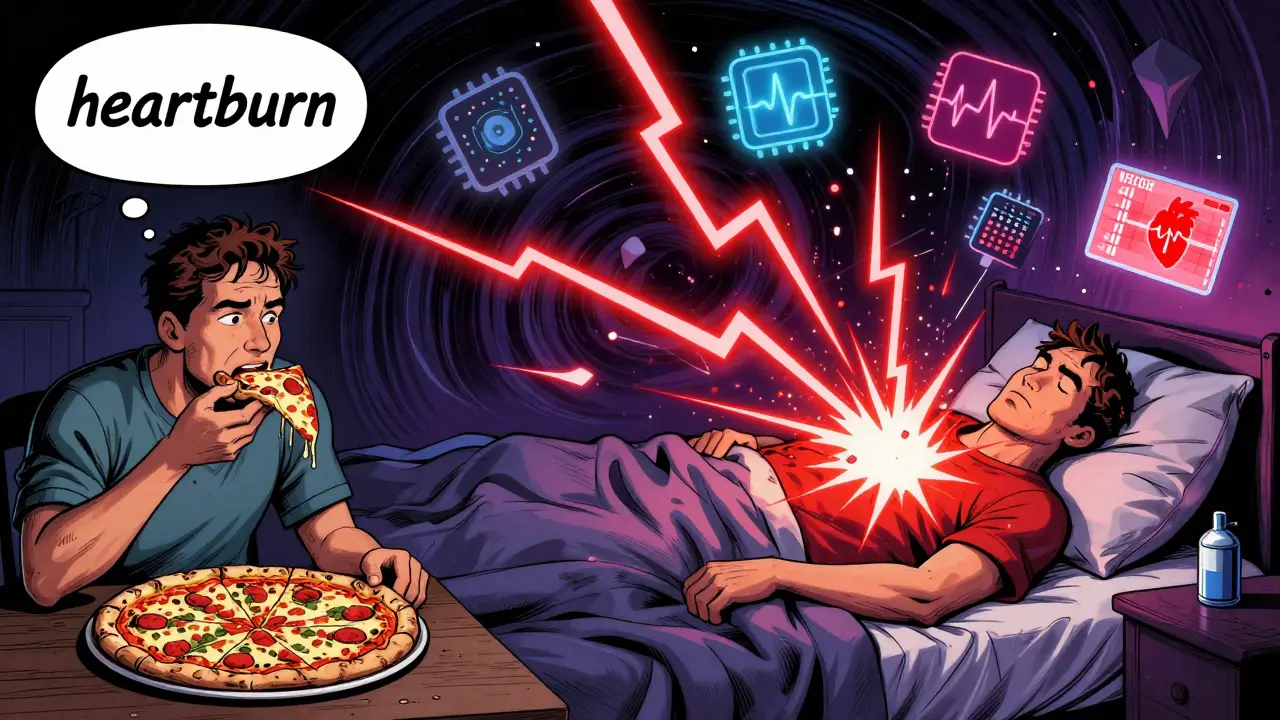
Also, don’t confuse heartburn with heart trouble. Heartburn usually feels like burning behind the breastbone, gets worse after eating or lying down, and improves with antacids. Heart-related pain doesn’t care what you ate-it can strike at midnight, during a walk, or while you’re sitting still.
And don’t rely on home remedies. Chewing aspirin? That’s fine if you’re already at the ER or have a doctor’s go-ahead. But if you’re unsure and trying to “tough it out,” you’re gambling with your life.
What Happens After the ER?
If the ER rules out a heart attack, you might still need follow-up. Many patients have INOCA-ischemia with no obstructive coronary arteries. That means your heart isn’t getting enough blood, but your arteries aren’t clogged. It’s often caused by tiny vessel dysfunction, stress, or inflammation. Standard stress tests might miss it. Specialized tests like coronary CT angiography or cardiac MRI may be needed.
Doctors now use tools like the HEART score to help decide your risk: History, ECG, Age, Risk factors, Troponin. A score of 0-3? Low risk. You can probably go home with a follow-up appointment. A score of 7-10? High risk. You’ll likely need hospital admission and further testing.
And here’s something new: AI is starting to help interpret ECGs. Early studies show AI can spot subtle ischemic changes human doctors miss-up to 98.5% accuracy. By 2025, three out of four U.S. hospitals are expected to use AI-assisted tools to speed up diagnosis. That means faster, more accurate decisions.
What to Do After an Emergency Visit
If you were sent home from the ER after chest pain, don’t just shrug it off. Follow up with your doctor within a week. Even if tests were normal, your body gave you a warning. Ask about:
- Controlling blood pressure, cholesterol, and blood sugar
- Starting a cardiac rehab program
- Stopping smoking or reducing alcohol
- Managing stress and sleep
Most heart attacks happen because warning signs were ignored. The goal isn’t just to survive the ER-it’s to prevent the next one.
Common Myths About Chest Pain
Myth: Only older men have heart attacks. Truth: Women under 55 are more likely to die from their first heart attack than men. Younger people with obesity, diabetes, or family history are at risk too.
Myth: If it’s not a heart attack, it’s not serious. Truth: Pulmonary embolism, aortic dissection, or pericarditis can mimic heart pain and are just as deadly if missed.
Myth: I’ll know if I’m having a heart attack. Truth: Many people describe their first heart attack as “just indigestion” or “really bad flu.”
Myth: Resting will fix it. Truth: If your heart muscle is starving for oxygen, rest won’t fix a blocked artery. Only medical intervention will.
What to Bring to the ER
If you’re heading to the ER for chest pain, grab:
- Your list of medications (or the bottles themselves)
- Your medical history, especially heart disease, diabetes, or high blood pressure
- Any recent test results or ECGs
- A phone number for a family member or friend
Don’t waste time searching for papers in your car. Keep this info saved on your phone or in your wallet. Every minute saved means faster treatment.
Is chest pain always a sign of a heart attack?
No. Chest pain can come from muscle strain, acid reflux, anxiety, lung issues like pneumonia or a pulmonary embolism, or even a rib injury. But because heart attacks can present without classic symptoms, any new, unexplained chest discomfort should be evaluated by a medical professional. It’s better to be safe than sorry.
Can I drive myself to the hospital if I have chest pain?
Don’t. Driving yourself increases your risk of sudden cardiac arrest on the road, delays treatment, and puts others at risk. Emergency medical services can start treatment en route, perform an ECG, and alert the hospital. If you’re unsure, call 9-1-1. Paramedics are trained to handle cardiac emergencies before you even reach the ER.
How fast can the ER rule out a heart attack?
With modern high-sensitivity troponin tests and rapid clinical pathways, many hospitals can rule out a heart attack in 1-2 hours. About 70-80% of chest pain patients are safely discharged within that time. But if your ECG shows signs of a heart attack or you have unstable symptoms, treatment starts immediately-no waiting.
What if my chest pain goes away before I get to the hospital?
Still go. Heart attacks often come and go in waves. Pain that disappears doesn’t mean the blockage is gone-it might be temporarily opened by a clot dissolving or shifting. Without treatment, it can return with worse damage. The ER can still detect signs of injury through blood tests and imaging.
Are younger people at risk for heart attacks?
Yes. Rates of heart attacks in people under 50 have been rising, especially among women and those with obesity, diabetes, smoking, or family history. Genetics, stress, poor diet, and lack of exercise are major contributors. Don’t assume you’re too young-it’s not just an older person’s disease.
What’s the difference between a heart attack and cardiac arrest?
A heart attack is a circulation problem-a blocked artery starves part of the heart of oxygen. Cardiac arrest is an electrical problem-the heart suddenly stops beating. A heart attack can lead to cardiac arrest, but they’re not the same. Cardiac arrest is immediately life-threatening and requires CPR and defibrillation. If someone collapses, is unresponsive, and isn’t breathing, call 9-1-1 and start CPR.
Final Thought: Don’t Wait for Certainty
You don’t need to be 100% sure it’s a heart attack to go to the ER. You just need to be unsure enough to worry. The medical system is built to handle false alarms. It’s not built to handle missed heart attacks. If you’re asking yourself, “Should I go?”-the answer is yes. Call 9-1-1. Let the professionals decide. Your heart doesn’t care about your schedule, your fear of wasting time, or your belief that it’s “probably nothing.” It only cares if you get help before it’s too late.
LALITA KUDIYA
January 8, 2026 AT 04:45Poppy Newman
January 9, 2026 AT 22:26Anthony Capunong
January 11, 2026 AT 17:35Aparna karwande
January 12, 2026 AT 22:17Adam Gainski
January 14, 2026 AT 08:34Elen Pihlap
January 16, 2026 AT 03:47Sai Ganesh
January 17, 2026 AT 21:01Paul Mason
January 19, 2026 AT 04:11Katrina Morris
January 20, 2026 AT 20:10steve rumsford
January 22, 2026 AT 10:23Andrew N
January 22, 2026 AT 14:18