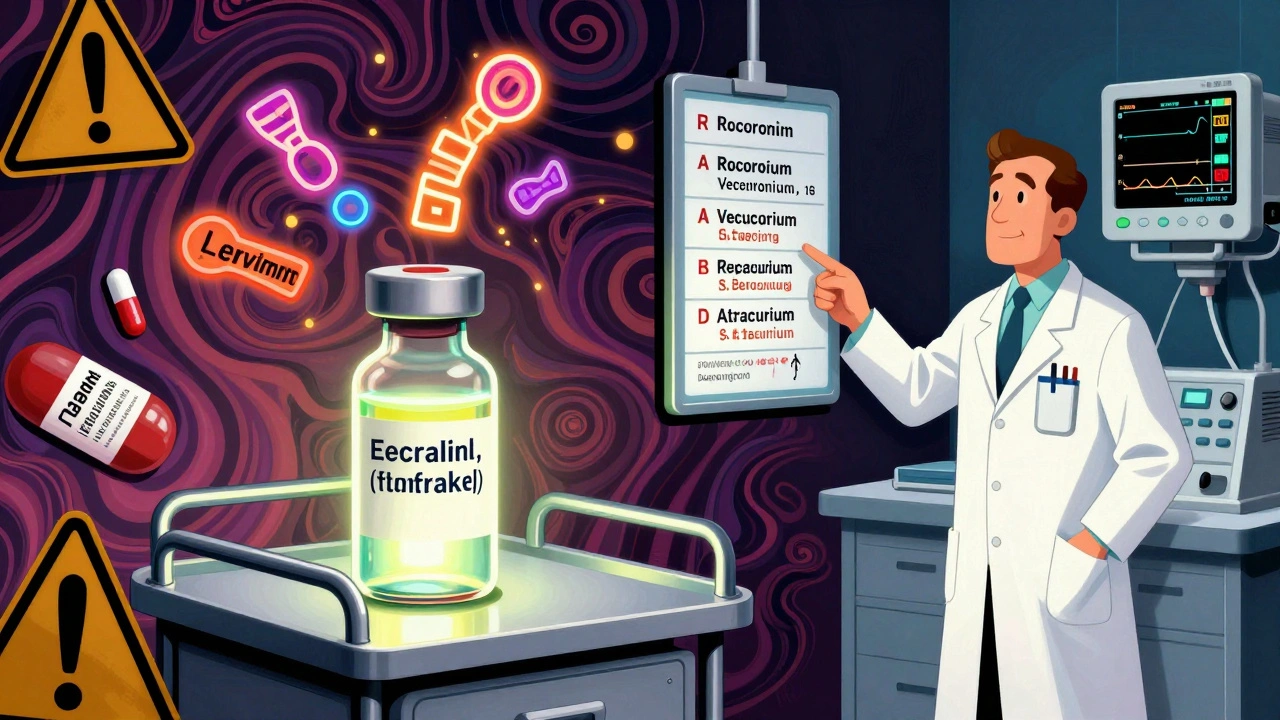
When a critical medication expires, time isn’t just money-it’s life. Imagine a patient on a ventilator in the ICU whose fentanyl infusion runs out. The vial is labeled ‘expired: November 30, 2025.’ Giving it anyway risks underdosing, withdrawal, or cardiac instability. But the next available option? Hydromorphone. Different potency. Different half-life. Different monitoring needs. One wrong dose, and the patient spirals. This isn’t hypothetical. It happens every day in hospitals across the country.
Why Expired Medications Are a Crisis, Not a Bureaucratic Issue
Medication expiration isn’t just about outdated inventory. It’s a direct threat to patient safety. In 2024, the FDA tracked 136 drugs in shortage, and nearly half of those were critical care medications like vasopressors, sedatives, and neuromuscular blockers. Expired stock adds another layer-suddenly, the drug you rely on isn’t just scarce, it’s unusable. And when that happens, decisions must be made fast. No time for committee votes. No time to wait for procurement. The stakes? High. Studies show that medication errors during transitions-like switching from an expired drug to an alternative-lead to 11-12% of patients being readmitted within 30 days. In the ICU, where patients often receive 8-12 medications daily, one wrong substitution can trigger a cascade: delirium, prolonged ventilation, organ failure. And it’s not just hospitals. Community pharmacies and long-term care facilities face the same pressure, but without the resources to respond.The ASHP Three-Tier Framework: Your Lifeline in a Crisis
The American Society of Health-System Pharmacists (ASHP) developed a proven system for handling drug shortages-and it works just as well for expired medications. This isn’t theory. It’s used in 89% of academic medical centers. The framework has three tiers:- 1st line: The best, evidence-backed alternative. Same class, similar pharmacokinetics, proven safety data.
- 2nd line: A viable option, but with caveats-different dosing, more monitoring, or higher risk of side effects.
- 3rd line: Last resort. Only if nothing else is available. Requires intensive oversight.
How to Build a Replacement Protocol (Even If You’re Not a Hospital)
You don’t need a big pharmacy department to get this right. Here’s how to start:- Identify your critical meds. List every drug that, if expired, could kill someone. Think: epinephrine, norepinephrine, propofol, midazolam, insulin, heparin, morphine. Don’t skip the ‘small’ ones-insulin overdoses kill faster than you think.
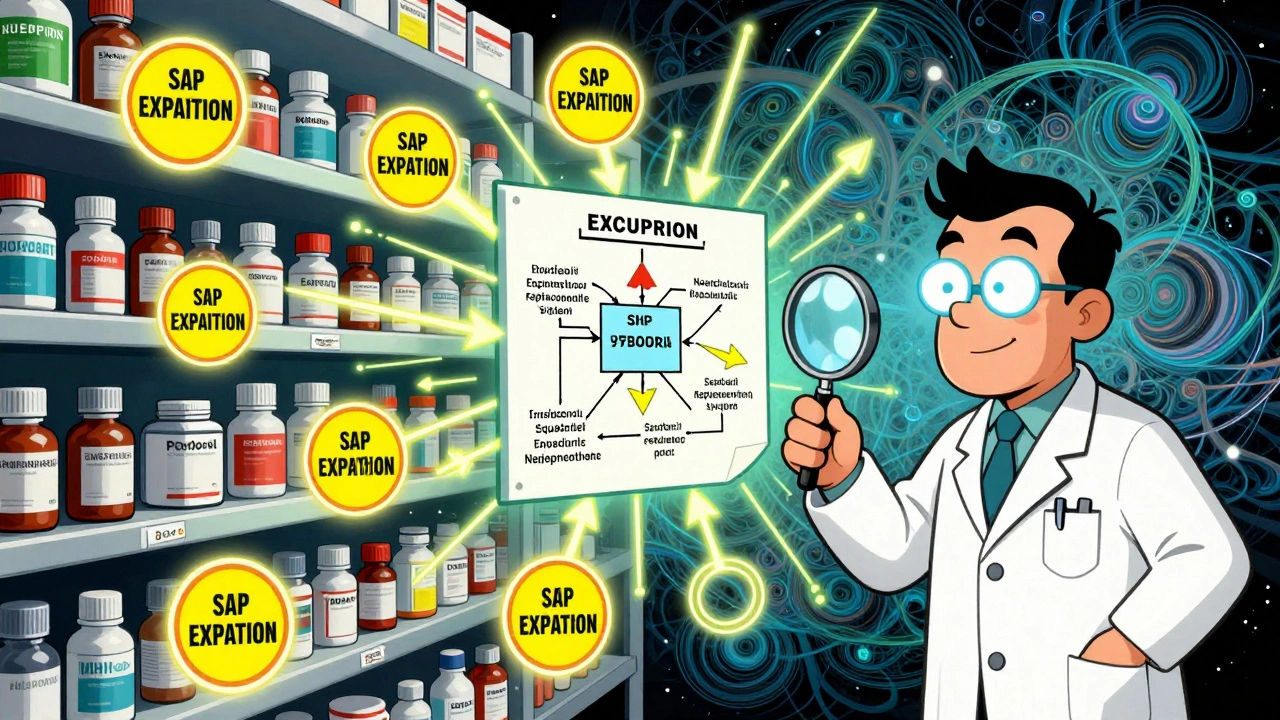
- Assign each a tiered alternative. Work with your pharmacist (or consult ASHP’s Drug Shortages Resource Center) to map each drug to its 1st, 2nd, and 3rd line options. Write it down. Print it. Post it.
- Set up expiration alerts. Use your inventory system to flag drugs with 30 days left. If you don’t have an automated system, use a simple spreadsheet with color coding: red = 7 days out, yellow = 14 days, green = safe.
- Train your team. Nurses, doctors, pharmacists-everyone who touches meds needs to know the protocol. Run a 15-minute huddle every month. Role-play: “Fentanyl expired. What’s next?”
- Test it. Do a mock expiration drill. Pretend your last vial of vasopressin expired at 2 a.m. Who calls who? Who adjusts the dose? How long does it take?
The Pharmacist Isn’t a Luxury-They’re the Anchor
Let’s be clear: you can’t do this without a pharmacist. Not really. Not safely. Critical care pharmacists don’t just count pills. They know that hydromorphone is 5-7 times stronger than morphine. They know that switching from propofol to midazolam changes sedation depth and requires RASS (Richmond Agitation-Sedation Scale) scoring every hour. They know which alternatives interact with a patient’s kidney function or liver enzymes. A 2025 study from CU Anschutz tracked 10,000 ICU patients. Those managed by pharmacists using structured replacement protocols had:- 18.7% lower mortality
- 2.3 fewer days in the ICU
- 41% fewer adverse drug events
What Happens When You Don’t Have a Protocol?
Without a plan, you get chaos. During the early pandemic, when remdesivir ran out, hospitals used random lotteries. First come, first served. Some gave it to healthy patients. Others withheld it from those who needed it most. That’s not triage. That’s luck. Same thing happens with expired meds. Without guidelines:- Doctors pick what’s “closest” and hope for the best.
- Nurses give half-doses to stretch supply.
- Patients get the wrong drug because someone “thought it was okay.”
Technology Is Helping-But Only If You Use It
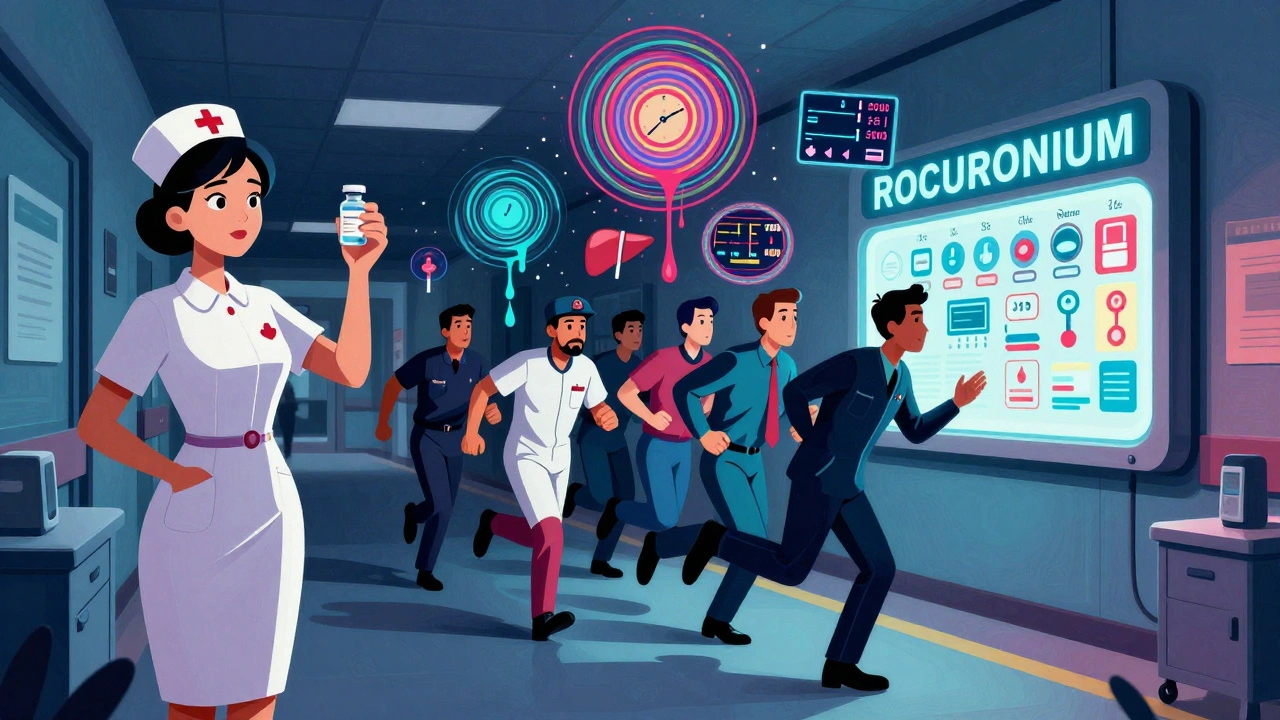
The global medication safety tech market is growing fast-projected to hit $7.89 billion by 2029. Why? Because hospitals are getting smarter. Tools like automated inventory systems that flag expirations 30 days out cut expired medication incidents by 90%. Barcode scanning ensures the right drug goes to the right patient. AI tools are even being tested-CU Anschutz’s prototype analyzes 147 patient variables (age, weight, kidney function, other meds) and recommends the safest alternative with 94.7% accuracy. But tech won’t fix a broken process. If your team doesn’t know what to do when the system alerts “Fentanyl expired,” the alert is useless.What’s Changing in 2025-2026?
The FDA is moving toward longer expiration dates based on real stability data-not arbitrary dates printed by manufacturers. A new draft guidance could reduce unnecessary waste by 18-22%. ASHP is finalizing new guidelines in early 2026 that will treat expired medications as a separate category from shortages. That’s huge. It means hospitals will finally have clear, specific rules-not just generic shortage advice. And if you’re still waiting for someone else to solve this? You’re putting patients at risk.What You Can Do Right Now
You don’t need a $2 million system. You don’t need a team of 10 pharmacists. You need three things:- Make a list. What drugs can’t expire? Write them down.
- Find the alternatives. Talk to your pharmacist. Use ASHP’s free resources.
- Practice. Run a drill. What if your last vial of norepinephrine expired at midnight? Who calls? Who adjusts? How long until the patient gets the right dose?
What should I do if a critical medication expires unexpectedly?
Immediately stop using the expired medication. Activate your institution’s replacement protocol. Consult your pharmacist to identify the best therapeutic alternative based on the ASHP three-tier system. Verify the correct dose, route, and monitoring requirements for the replacement. Document the change and notify all care team members. Never guess-use evidence-based alternatives, not convenience.
Can I use an expired medication if it’s only a few days past the date?
No. Medication expiration dates are based on stability testing by manufacturers and approved by the FDA. Even if the drug looks fine, its potency may have dropped, or harmful breakdown products may have formed. In critical care, a 10% loss in potency can mean the difference between life and death. Never use expired drugs, even if they’re just a day past the date.
Why can’t I just use a similar drug from another class?
Drugs in different classes work differently. For example, switching from fentanyl (an opioid) to ketamine (an NMDA antagonist) for sedation isn’t just a dose change-it changes how the patient breathes, responds to pain, and recovers. Without proper training, this can lead to respiratory depression, delirium, or prolonged ICU stays. Only use alternatives from the same therapeutic class unless explicitly directed by a pharmacist or protocol.
How do I know which alternative is safest for my patient?
Your pharmacist is your best resource. They consider the patient’s age, kidney and liver function, other medications, allergies, and current condition. For example, rocuronium is preferred over vecuronium in patients with kidney failure. Always consult clinical guidelines and avoid assumptions. If no pharmacist is available, refer to ASHP’s tiered lists and prioritize 1st-line options.
Is it legal to use an expired medication in an emergency?
No. Federal law prohibits the use of expired medications unless under a specific FDA emergency exemption-which is extremely rare and requires documentation. Even in emergencies, using an expired drug exposes you to liability. The correct action is to activate your protocol, find a safe alternative, and document everything. Your legal and ethical duty is to use only approved, non-expired medications.
What if my hospital doesn’t have a replacement protocol?
Start one. Use ASHP’s free guidelines on drug shortages as your foundation. Identify your top 5 critical medications, assign 1st, 2nd, and 3rd line alternatives, and train your team. Print the list and post it near med storage areas. Advocate for pharmacist involvement-even part-time support makes a difference. Patient safety can’t wait for bureaucracy.
Rich Paul
December 8, 2025 AT 15:09Katherine Rodgers
December 8, 2025 AT 21:42Lola Bchoudi
December 9, 2025 AT 15:52Ronald Ezamaru
December 11, 2025 AT 02:28Katie Harrison
December 11, 2025 AT 18:15Mona Schmidt
December 12, 2025 AT 18:27Morgan Tait
December 12, 2025 AT 19:35Christian Landry
December 12, 2025 AT 22:45Sarah Gray
December 14, 2025 AT 18:33Darcie Streeter-Oxland
December 16, 2025 AT 07:52Kathy Haverly
December 17, 2025 AT 19:01