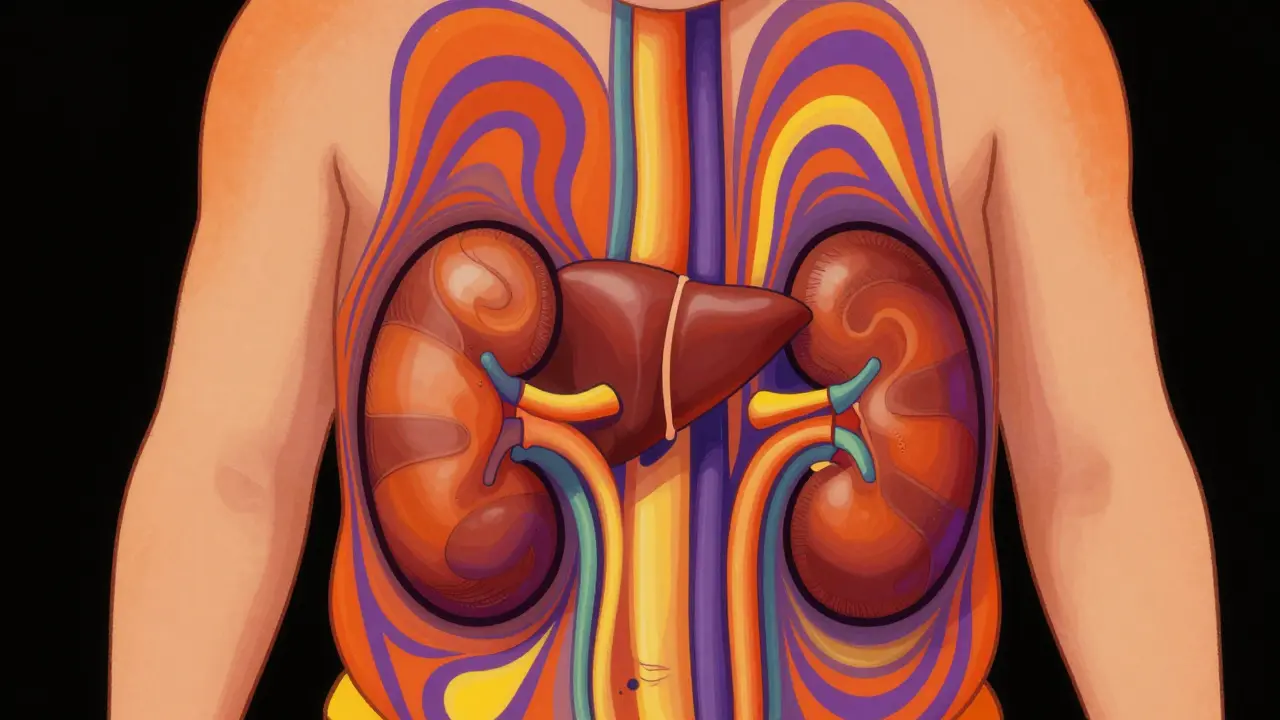
Why Children's Bodies React Differently
Children aren't just small adults. Their bodies handle medications in unique ways. Babies under two years old have immature liver and kidney function. This means drugs like acetaminophen work differently in them. The FDA found young children produce more glutathione, which makes them less prone to acetaminophen toxicity than adults. But other drugs like aspirin? Absolutely no. Children under 19 should never take aspirin because of Reye's syndrome risk. That's why generic aspirin products carry strict warnings for kids. These physiological differences mean a drug safe for adults can be dangerous for children. For example, lamotrigine (a seizure medication) carries a higher risk of severe skin reactions in children. Verapamil (a heart medication) can cause dangerous cardiovascular issues in infants. Always check if a drug has specific pediatric labeling before giving it to your child.
The KIDs List: What You Need to Know
The Pediatric Pharmacy Association created the KIDs List Key Potentially Inappropriate Drugs List for children, maintained by the Pediatric Pharmacy Association. It identifies drugs that pose serious risks to children. The 2025 update includes over 4,100 drugs with pediatric safety concerns. The list categorizes drugs into 'avoid' and 'caution' based on evidence strength. For example, promethazine (a common antihistamine) has a 'strong' recommendation to avoid in children under two years due to respiratory failure and death risks. Even in older children, it requires caution. Benzocaine (a topical numbing agent) should never be used orally in kids under two because of methemoglobinemia risk. Trimethobenzamide (an anti-nausea drug) should be avoided in all patients under 18 due to acute dystonic reactions. Linaclotide (for constipation) carries a 'caution' rating for children under two due to death from dehydration risks. Guaifenesin (an expectorant) should be avoided in children under four years. These aren't theoretical risks-real cases have been documented. A parent on Reddit reported severe diarrhea after switching a 3-year-old from brand-name loperamide to generic. Another child developed a rash from generic cetirizine due to different preservatives. The KIDs List is your go-to resource for identifying dangerous medications.
High-Risk Generic Drugs for Children
| Drug | Risk | Age Restriction | Evidence Level |
|---|---|---|---|
| Promethazine | Respiratory failure | Under 2 years | Strong |
| Benzocaine | Methemoglobinemia | Under 2 years (oral) | Strong |
| Lamotrigine | Stevens-Johnson syndrome | Children | Moderate |
| Trimethobenzamide | Acute dystonic reactions | Under 18 years | Strong |
| Verapamil | Cardiovascular complications | Infants | Moderate |
| Linaclotide | Death from dehydration | Under 2 years | Moderate |
| Guaifenesin | Respiratory issues | Under 4 years | Moderate |
Brand vs Generic: Hidden Differences Matter
Many people assume generic drugs are identical to brand-name versions. But inactive ingredients can vary significantly. These fillers, preservatives, and dyes may be safe for adults but dangerous for children. For example, some generic topical corticosteroids like betamethasone contain different concentrations. The FDA found these products can cause Cushing syndrome and adrenal suppression in children under two. The same goes for liquid formulations. A parent reported their child developed a rash after switching to a generic version of cetirizine because of a different preservative. The FDA's Pediatric Drug Labeling initiative added safety information for 12 drugs, including gabapentin and propofol. This shows how critical it is to check the specific formulation. Always ask your pharmacist: 'Is this generic version approved for children?' If they can't confirm, request the brand-name version.
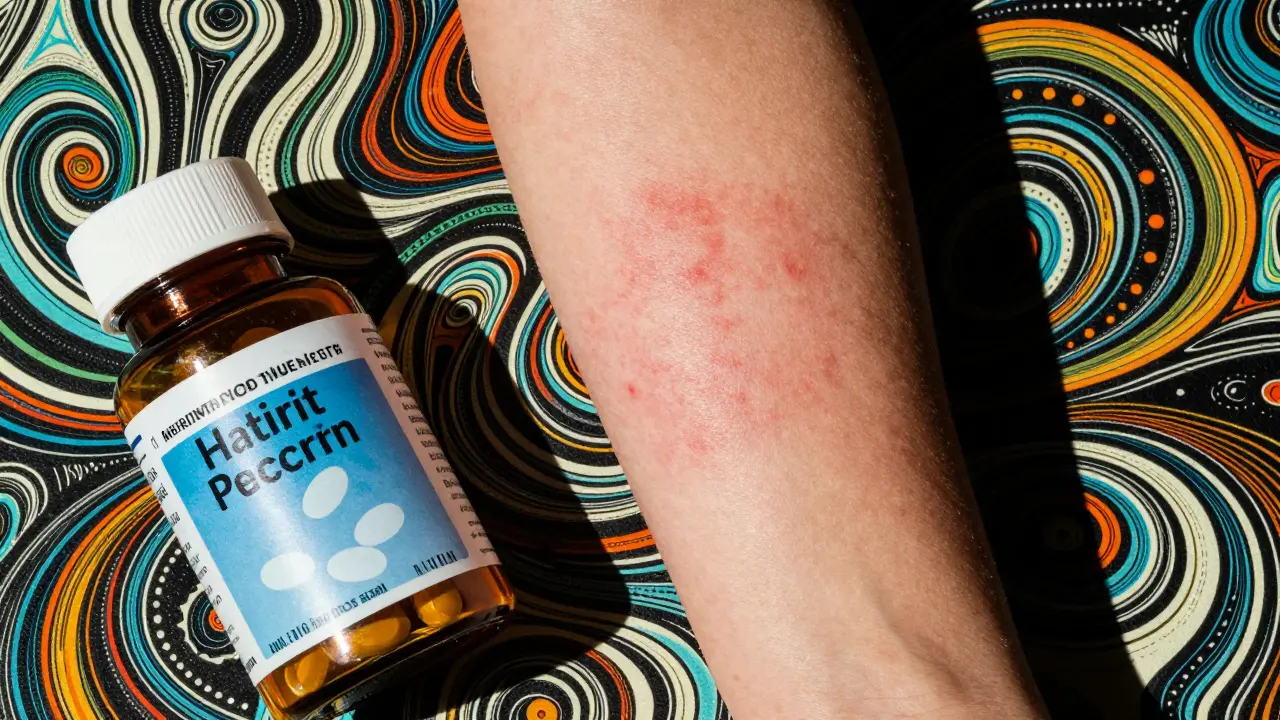
Top 5 Medication Errors in Kids (and How to Avoid Them)
Medication errors are common in children. Here's what to watch for:
- Wrong concentration - Liquid medications come in different strengths. Always check the label for mg/mL. A common error is using adult-strength liquid for a child.
- Using household spoons - These aren't accurate. Use an oral syringe for precise dosing. Studies show this reduces errors by 50%.
- Dosing by age instead of weight - Kids need weight-based calculations. Ask your doctor for exact measurements. Never guess.
- Ignoring inactive ingredients - Some generics have different fillers that can cause allergies. Check the full ingredient list.
- Using adult tablets for children - Crushing adult tablets for kids can lead to overdose. For example, a single 500 mg acetaminophen tablet given to a 10-pound infant could cause liver damage.
What Parents and Doctors Can Do Right Now
Healthcare providers should follow the '5 Rights' of medication administration (right patient, drug, dose, route, time) with additional pediatric-specific considerations: right concentration, right device, and right caregiver education. The American Academy of Pediatrics recommends that healthcare providers verify pediatric-specific labeling before prescribing generics, noting that 25% of adverse drug events in children result from inappropriate dosing due to unit conversion errors. For parents, here's what works:
- Keep a current medication list including all prescription, over-the-counter, and herbal products. Nationwide Children's Hospital found 78% of adverse events are preventable through proper medication reconciliation.
- Always read directions carefully. Turn on lights to measure accurately-never in the dark.
- Use only children's formulations. Adult medicines can be harmful even in small doses.
- Never use someone else's prescription. Each child's needs are unique.
- Ask your pharmacist: 'Is this generic version approved for children?' If unsure, request the brand-name version.
Dr. Sarah K. Meadows pediatric pharmacology specialist at Children's Hospital of Philadelphia states: 'The assumption that generic drugs are interchangeable for children is dangerous-physiological differences mean that excipients, preservatives, and formulation characteristics that are safe for adults can be harmful to children.' Following these steps can prevent serious harm.
Can generic drugs be safely used for kids?
Yes, but only when the generic version is appropriate for children. Many generic drugs are safe, but some have inactive ingredients that can harm kids. Always check if the drug is FDA-approved for pediatric use and follow dosing guidelines strictly. When in doubt, ask your doctor or pharmacist.
What is the KIDs List and why does it matter?
The KIDs List (Key Potentially Inappropriate Drugs List) is a resource created by the Pediatric Pharmacy Association. It identifies drugs with serious risks for children, categorizing them as 'avoid' or 'caution' based on evidence strength. For example, promethazine is listed as 'avoid' for children under two due to respiratory failure risks. This list helps parents and doctors make safer medication choices.
How can I avoid dosing errors with liquid medications?
Always use an oral syringe instead of household spoons. Check the concentration (mg/mL) on the label and measure precisely. For example, a child's dose of acetaminophen might be 10 mL of a 160 mg/5 mL solution. Never guess-ask your pharmacist to show you how to measure correctly. Studies show this reduces dosing errors by 50%.
Why are inactive ingredients in generics a problem for children?
Inactive ingredients like dyes, preservatives, and fillers can differ between brand and generic versions. These may be safe for adults but cause allergic reactions or other issues in children. For example, a generic cetirizine formulation caused a rash in a 5-month-old due to different preservatives. Always check the full ingredient list and ask your pharmacist about potential allergens.
What should I do if my child has a reaction to a generic drug?
Stop giving the medication immediately and contact your doctor or pharmacist. Report the reaction to the FDA's MedWatch program. Keep the medication bottle and note the symptoms. This helps track safety issues and prevents future harm. Remember, you can always ask for the brand-name version if the generic causes problems.
Dr. Sara Harowitz
February 5, 2026 AT 19:46Pediatric drug safety is a national emergency! The FDA's negligence is putting children at risk every single day! Generic medications for kids? Absolutely unacceptable! I've seen too many cases where children suffered severe reactions due to improper testing. Parents must demand brand-name only and hold regulators accountable! This isn't just a problem-it's a crisis that demands immediate action!
Jennifer Aronson
February 6, 2026 AT 21:07The KIDs List is an essential resource for identifying high-risk medications in children. For example, promethazine's 'avoid' status for under two years is critical. However, not all generics are dangerous; many are safe when properly formulated. Always check with a pharmacist to confirm pediatric suitability before use.
Kate Gile
February 7, 2026 AT 17:28The KIDs List is a vital resource for parents and doctors. For instance, benzocaine's risk of methemoglobinemia in children under two must be emphasized. Sharing this information widely can help prevent harm. Let's collaborate to ensure every caregiver has access to these critical safety guidelines.
Johanna Pan
February 8, 2026 AT 22:57I agree with Jennifer's point about not all generics being unsafe. For example, many generic versions of common meds like amoxicillin are perfectly safe for kids when used correctly. Its all about checking the specifics. One thing I've noticed is that in different countries, the guidelines vary a bit, but the KIDs List is universal. We should all stay informed and keep the conversation going!
Pamela Power
February 9, 2026 AT 10:23Generic drugs for children? Absolutely unsafe. Stop using them immediately.
Nancy Maneely
February 11, 2026 AT 00:36BAN ALL GENERIC DRUGS FOR KIDS NOW!
Phoebe Norman
February 12, 2026 AT 02:17The KIDs List is indeed critical but the real issue is systemic Pharmacokinetic differences in pediatric populations are often overlooked in drug development The current regulatory framework lacks sufficient pediatric-specific safety data This leads to inappropriate prescribing and adverse events We need more robust clinical trials for children's medications
Albert Lua
February 12, 2026 AT 09:04Great point about clinical trials! In my work with international health organizations, I've seen how crucial pediatric-specific data is. Countries like Canada have stricter pediatric drug regulations, which could be a model for the US. We need global collaboration to improve child drug safety.
Katharine Meiler
February 13, 2026 AT 18:42The evidence clearly indicates that pediatric formulations require rigorous safety assessments. Inactive ingredients in generics can pose significant risks, particularly in young children. Healthcare providers must prioritize verifying drug safety profiles and educate parents on these nuances. Collaboration between clinicians and pharmacists is essential to mitigate these risks.