Medication Safety Decision Tool
Step 1: Are you experiencing any of these severe symptoms?
Select all that apply:
Step 2: What type of medication are you taking?
Step 3: How long have you been taking this medication?
You take your morning pill. An hour later, you feel weird. Maybe it’s a rash, maybe it’s dizziness, or perhaps your throat feels tight. Your first instinct might be to toss the rest of the bottle in the trash and forget about it. But here is the tricky part: stopping some medications cold turkey can be just as dangerous as taking them.
Deciding when to quit a drug isn’t a simple yes-or-no question. It depends on what kind of reaction your body is having and what kind of drug it is. Some side effects are mild annoyances that fade away. Others are red flags signaling immediate danger. And then there are drugs where stopping suddenly causes a rebound effect that could land you in the hospital. Knowing the difference saves lives.
The Red Flags: When to Call 911 or Drop Everything
Not all bad reactions are created equal. Most side effects, like a slight headache or mild nausea, are manageable. But some reactions indicate that your body is fighting the medication in a way that could cause permanent damage or death. These are called severe adverse drug reactions. If you experience these, you generally need to stop the medication immediately and seek emergency care.
Here are the specific signs that mean "stop now":
- Anaphylaxis: This is a severe allergic reaction. Look for swelling of the lips, tongue, or throat; difficulty breathing; or widespread hives. Penicillin is a common culprit, causing this reaction in about 1 to 5 out of every 10,000 courses. If you can’t breathe, call emergency services immediately.
- Severe Skin Reactions: Conditions like Stevens-Johnson Syndrome (SJS) start with a fever and flu-like symptoms, followed by a painful rash that blisters and peels. This often affects the eyes, mouth, and genitals. Drugs like carbamazepine, lamotrigine, and allopurinol are known triggers. SJS has a mortality rate of 5-15%, so speed matters.
- Signs of Liver Failure: If you notice yellowing of the skin or eyes (jaundice), dark urine, or severe abdominal pain, your liver might be struggling. For example, the tuberculosis drug isoniazid can cause acute liver failure in rare cases. Doctors usually recommend stopping if liver enzyme levels spike significantly alongside symptoms.
- Unexplained Bleeding or Bruising: This could signal agranulocytosis, a condition where white blood cell counts drop dangerously low. It occurs in roughly 1-15 cases per million users of certain drugs. Without treatment, the risk of fatal infection rises quickly.
If any of these happen, do not wait for your next doctor’s appointment. The FDA defines serious adverse events as those resulting in life-threatening situations, hospitalization, or persistent disability. In these moments, getting the drug out of your system is the priority.
The Trap: Why You Should Never Just Quit Certain Drugs
Now, imagine the opposite scenario. You’re taking a medication for high blood pressure or anxiety. You feel fine, but you read online about scary side effects. You decide to stop taking it today. Big mistake.
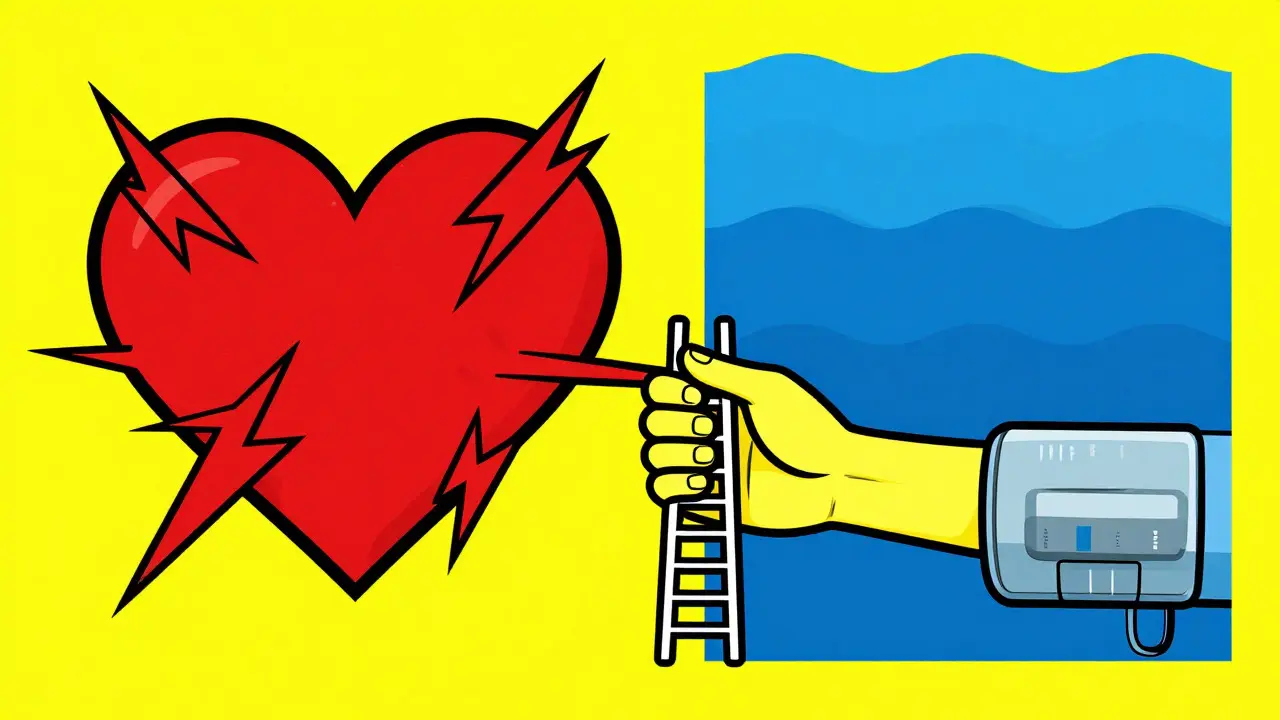
Some medications change how your body functions at a chemical level. If you yank them away suddenly, your body goes into shock. This is called withdrawal syndrome, and it can be brutal. Research from Weill Cornell shows that abrupt discontinuation of antihypertensive meds causes rebound hypertension in 30-40% of patients. That means your blood pressure doesn’t just go back to normal; it spikes higher than before, potentially causing a stroke or heart attack.
Consider beta-blockers. These are commonly prescribed for heart conditions. Harvard Health reports that abruptly stopping a beta-blocker like propranolol can increase the risk of a heart attack by 300% within the first week. Your heart gets used to being slowed down; when the brake is removed instantly, it races uncontrollably.
Benzodiazepines, used for anxiety and sleep, are another major trap. Long-term users who stop cold turkey face a 10-15% chance of withdrawal seizures. Antidepressants are also notorious for this. About 20-50% of people experience "discontinuation syndrome"-brain zaps, dizziness, and intense mood swings-if they miss doses or quit too fast.
| Medication Class | Risk of Stopping Abruptly | Action Plan |
|---|---|---|
| Beta-Blockers (e.g., Propranolol) | Heart attack, rapid heart rate, chest pain | Taper slowly under doctor supervision |
| Benzodiazepines (e.g., Xanax, Valium) | Seizures, severe anxiety rebound | Gradual dose reduction over weeks/months |
| Antidepressants (SSRIs/SNRIs) | Brain zaps, dizziness, mood crashes | Taper according to FDA-approved schedule |
| Corticosteroids (e.g., Prednisone) | Adrenal crisis, extreme fatigue | Slow taper to allow adrenal glands to recover |
| Antibiotics | Infection returns, antibiotic resistance | Finish full course unless severe allergy occurs |
The key takeaway? Even if you hate how a drug makes you feel, check if it’s on the "do not stop suddenly" list before tossing it. The withdrawal sickness might be worse than the original side effect.
The Gray Area: Mild Side Effects and Patience
What about that mild nausea from your new statin? Or the slight dry mouth from your allergy pill? These fall into what experts call Tier 4 side effects: mild and transient. They usually don’t warrant stopping the medication, especially if the drug is saving your life or preventing a major health event.
Many people make the mistake of quitting effective treatments because they aren’t patient enough for their bodies to adjust. A 2022 study found that 31% of patients stopped statins due to muscle pain without talking to a doctor. Yet, only 5% of those cases were true statin-induced myopathy requiring cessation. The rest could have been managed with a dose adjustment or switching to a different type of statin.
For antibiotics, the stakes are even higher. The CDC notes that inappropriate discontinuation due to mild stomach upset contributes to 15-25% of treatment failures. You kill off the weak bacteria, leave the strong ones alive, and create a superbug that’s harder to treat next time. Unless you have a severe allergic reaction, finish the course.
A Simple Decision Framework
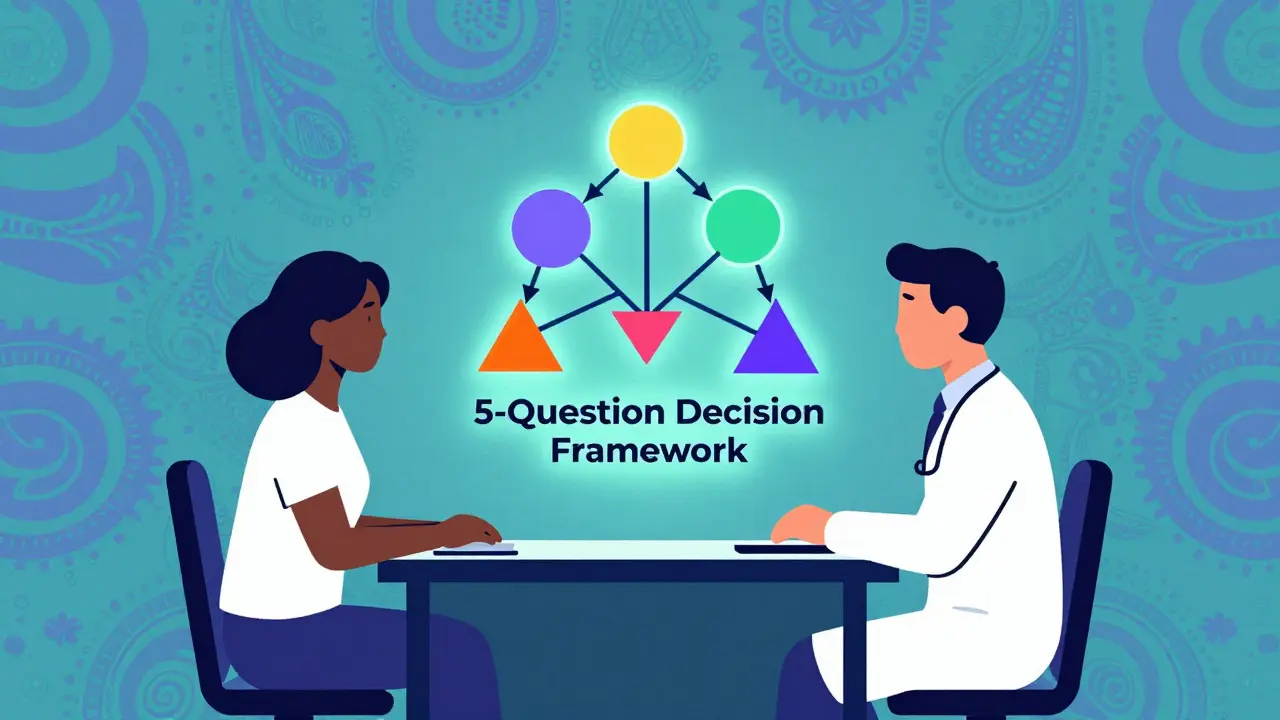
So, how do you decide in the moment? Clinicians use a structured approach to avoid guesswork. You can adapt this "5-Question Decision Framework" for yourself:
- Is it life-threatening? Swelling throat? Peeling skin? Yellow eyes? Yes = Stop immediately and call 911.
- Does this drug cause withdrawal? Is it a beta-blocker, benzo, steroid, or antidepressant? Yes = Do NOT stop alone. Call your doctor to set up a taper plan.
- Are alternatives available? If the side effect is annoying but not dangerous, ask your pharmacist if there’s a similar drug with fewer issues.
- What is the risk-benefit ratio? Is the side effect worth the protection the drug provides? For example, minor dizziness from a blood thinner might be acceptable if it prevents a stroke.
- Have I consulted a professional? Never rely solely on internet forums. A quick call to your pharmacist can save you from a hospital visit.
This framework helps cut through the panic. It separates the emergencies from the inconveniences and the withdrawal risks from the safe stops.
Communicating with Your Healthcare Team
Too many patients suffer in silence or quit in secret. Data shows that 42% of patients who stop meds due to side effects do so without telling their provider. Of those, 18% face negative consequences. Why hide it? Your doctor needs to know.
If you’re experiencing a moderate side effect (Tier 3), like persistent dizziness or insomnia, tell your doctor. They might adjust the timing of the dose (taking it at night instead of morning), lower the dosage, or switch brands. Generic versions sometimes contain different fillers that cause sensitivities in some people.
Also, keep a log. Write down when you take the med and when the symptom appears. This data is gold for your healthcare team. It helps them determine if the symptom is truly caused by the drug or something else entirely. Correlation isn’t always causation.
Regulatory Changes and Better Labels
Good news is coming. Regulators are realizing that vague warnings like "do not stop abruptly" aren’t helpful enough. In 2023, the FDA mandated updated labeling for SSRIs to include specific tapering schedules. This change was based on analysis of thousands of adverse event reports showing that structured tapering reduced withdrawal severity by 73%.
The European Medicines Agency followed suit in early 2024, requiring clearer discontinuation protocols in product information. This shift acknowledges that patients need clear instructions, not just fear-based warnings. As these labels improve, you’ll find more guidance right on the box about how to safely exit a treatment if needed.
How long does it take for side effects to go away after stopping a medication?
It depends on the drug's half-life. For short-acting drugs, symptoms may resolve within hours to a few days. For long-acting drugs like some antidepressants or steroids, it can take weeks or even months for the body to fully clear the substance and return to baseline. Always consult your doctor for a timeline specific to your medication.
Can I stop my antibiotic early if I feel better?
Generally, no. Stopping antibiotics early can lead to treatment failure and antibiotic resistance. The remaining bacteria may survive and multiply, becoming resistant to the drug. Only stop early if you experience a severe allergic reaction or if your doctor explicitly tells you to.
What is the most common reason people stop medications prematurely?
Side effects are the leading cause. According to studies, nearly half of patients discontinue medications due to perceived or actual side effects without consulting their provider. Other reasons include cost, complexity of the regimen, and forgetting doses.
Is it safe to stop blood pressure medication if my readings are normal?
Not necessarily. Normal readings often mean the medication is working. Stopping abruptly can cause rebound hypertension, where blood pressure spikes higher than before. Any changes to blood pressure meds should be done gradually under medical supervision.
When should I go to the ER for a medication side effect?
Go to the ER if you experience difficulty breathing, swelling of the face/throat, widespread blistering rash, yellowing of skin/eyes, or confusion/fainting. These are signs of severe adverse reactions like anaphylaxis or organ failure that require immediate intervention.