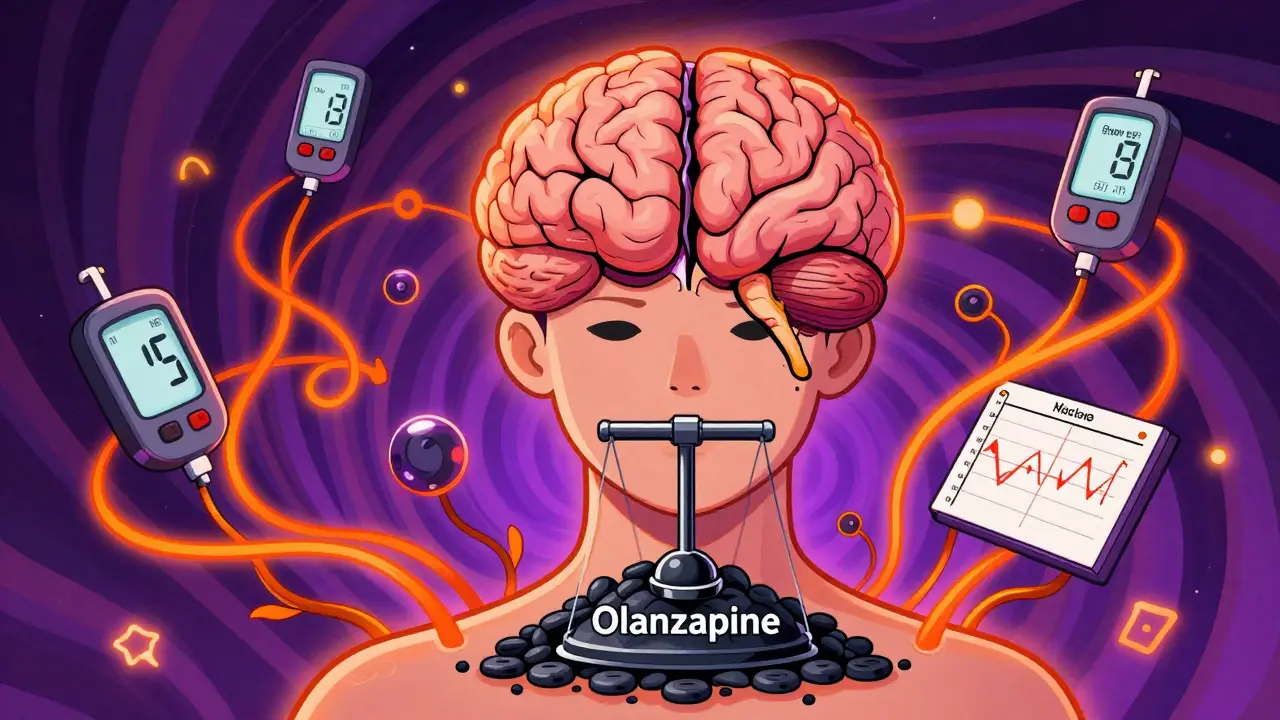
When someone starts taking an antipsychotic, the goal is simple: reduce hallucinations, calm delusions, and bring back some stability. But for many, the price comes in pounds gained, blood sugar rising, and cholesterol spiraling out of control. These aren’t rare side effects - they’re common, predictable, and often ignored. Between 30% and 68% of people on second-generation antipsychotics develop metabolic syndrome, a cluster of conditions that doubles their risk of heart disease and type 2 diabetes. And while these drugs save lives by controlling psychosis, they’re also quietly shortening them.
Why Some Antipsychotics Make You Gain Weight - And How Fast
Not all antipsychotics are created equal when it comes to metabolic damage. Olanzapine and clozapine are the worst offenders. Patients on these drugs often gain 2 pounds per month during the first year, sometimes over 40 pounds in under a year. In the CATIE study, 30% of people on olanzapine gained at least 7% of their body weight. That’s not just inconvenient - it’s dangerous. This weight gain isn’t just from eating more. These drugs directly interfere with how your body handles hunger, insulin, and fat storage. The science points to two key culprits: histamine H1 and serotonin 5-HT2C receptors. When antipsychotics block these receptors, your brain thinks you’re starving, even if you just ate. Your appetite spikes. Your body stores more fat. Insulin stops working as well, even in people who don’t gain weight. That’s why someone on clozapine can develop prediabetes before they even notice the scale moving. On the other end, aripiprazole, ziprasidone, and lurasidone show far less impact. Less than 5% of people on aripiprazole gain significant weight. Lurasidone, approved in 2010, has become a go-to for patients who need to avoid metabolic damage. And now, lumateperone (Caplyta), approved in 2023, shows weight gain in only 3.5% of users - compared to 23.7% on olanzapine. It’s proof that better options are possible.The Hidden Danger: Metabolic Syndrome and What It Means
Metabolic syndrome isn’t one problem - it’s five packed together. The International Diabetes Federation defines it as having central obesity (waist over 37 inches for men, 31.5 for women) plus at least two of these:- Fasting blood sugar ≥100 mg/dL
- Triglycerides ≥150 mg/dL
- HDL cholesterol below 40 mg/dL (men) or 50 mg/dL (women)
- Blood pressure ≥130/85 mmHg
Who’s at Highest Risk - And Why
Some people are more vulnerable than others. If you already have:- A family history of type 2 diabetes
- BMI over 25 kg/m²
- High blood pressure or high triglycerides
- Been diagnosed with prediabetes

What Doctors Should Be Checking - And When
The American Psychiatric Association and the American Diabetes Association agree: every person starting an antipsychotic needs a full metabolic baseline - and ongoing checks. Before starting:- Weight and BMI
- Waist circumference
- Blood pressure
- Fasting blood glucose
- Lipid panel (triglycerides, HDL, LDL)
- At 4 weeks
- At 8 weeks
- At 12 weeks
- Then every 3 months for the first year
- Then at least once a year
What to Do If You’re Already Gaining Weight
If you’ve gained 5% of your body weight since starting your medication, it’s time to act. If it’s 7% or more, your doctor should seriously consider switching you. Step 1: Lifestyle support - Not just “eat less, move more.” Real help: a dietitian who understands psychiatric meds, a structured walking program, or even group sessions with others on antipsychotics. The Massachusetts General Hospital program reduced weight gain by half by combining nutrition counseling with behavioral therapy. Step 2: Medication switch - If you’re on olanzapine or clozapine and gaining weight, switching to aripiprazole, lurasidone, or ziprasidone can stop the trend - sometimes within weeks. You might lose a few pounds. Your blood sugar may drop. Your cholesterol might improve. Step 3: Add a metabolic protector - Metformin, a cheap, well-studied diabetes drug, can reduce weight gain by up to 30% in people on antipsychotics. It’s not a magic pill, but it’s been shown to work in multiple trials. One patient wrote: “I stopped my meds because I gained 30kg and got prediabetes. My psychiatrist didn’t care.” That shouldn’t happen. You have options. You don’t have to choose between mental stability and physical health.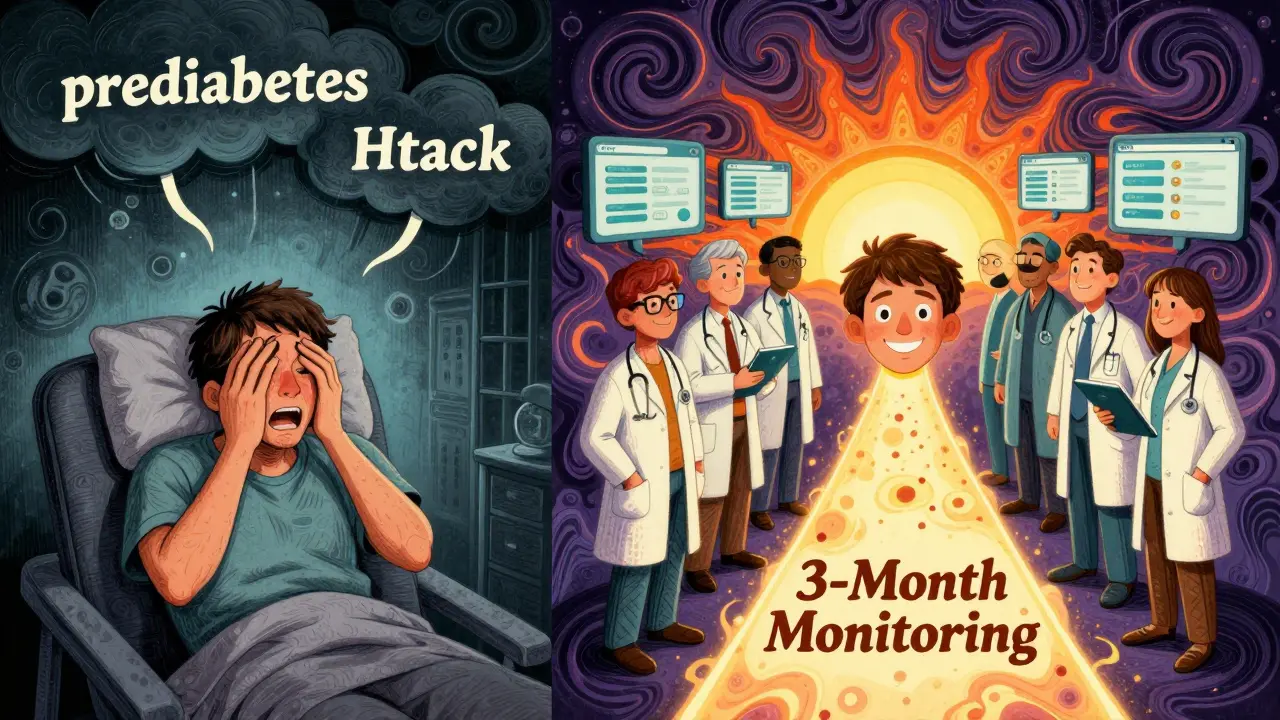
The Trade-Off: When High-Risk Drugs Are Still Necessary
Clozapine and olanzapine aren’t just “bad drugs.” They’re life-saving for some. Clozapine reduces mortality by 50% in treatment-resistant schizophrenia - more than any other antipsychotic. For someone who hasn’t responded to five other drugs, the risk of death from psychosis may be greater than the risk from weight gain. But that doesn’t mean you accept the damage. It means you manage it harder. If you’re on clozapine, you need more frequent monitoring - every 3 months, not once a year. You need a nutrition plan. You need blood tests. You need a team. The best outcomes come when patients and doctors talk openly: “I know this drug helps my voices. But I can’t live like this. Can we try something else? Or can we protect my body while I stay on it?”What’s Changing - And What’s Coming
The field is shifting. Lumateperone (Caplyta) isn’t just another drug - it’s proof that new antipsychotics can be effective without wrecking metabolism. The FDA approved it in 2023 with data showing minimal weight gain and no increase in blood sugar. The National Institute of Mental Health is now funding a $12.5 million study to find genetic markers that predict who will gain weight or develop diabetes on antipsychotics. By 2025, we may be able to test someone’s DNA before prescribing - and pick the safest drug for their biology. But until then, the tools we have are simple: measure, monitor, move, and switch when needed. The problem isn’t the drugs - it’s the silence around their side effects.Do all antipsychotics cause weight gain?
No. While most second-generation antipsychotics carry some risk, the degree varies widely. Olanzapine and clozapine cause significant weight gain in up to 30% of users. Risperidone and quetiapine are moderate. Aripiprazole, ziprasidone, and lurasidone cause little to no weight gain in most people - often less than 5% of users gain 7% or more of their body weight. First-generation antipsychotics like haloperidol have lower metabolic risk but higher movement-related side effects.
How long does it take for antipsychotics to affect blood sugar?
Changes can begin within weeks. Studies show elevated fasting glucose and insulin resistance can appear as early as 4-8 weeks after starting olanzapine or clozapine - even before weight gain becomes noticeable. This means waiting until you gain weight to check your blood sugar is too late. Baseline and early monitoring are critical.
Can I switch antipsychotics if I’m gaining weight?
Yes - and it’s often safer than continuing. Switching from a high-risk drug like olanzapine to a low-risk one like aripiprazole or lurasidone can stabilize or even reverse metabolic changes. A 2021 study found that 65% of patients who switched saw improved glucose levels and reduced triglycerides within 6 months. Psychiatric symptoms usually remain stable, especially if the switch is gradual and monitored.
Is metformin safe to take with antipsychotics?
Yes. Metformin is widely used alongside antipsychotics and has strong evidence supporting its use. It reduces weight gain by about 30% and improves insulin sensitivity without worsening psychiatric symptoms. It’s generally well-tolerated, though some people experience mild stomach upset at first. It’s not a cure, but it’s one of the most effective tools we have to protect metabolic health.
Why don’t more doctors monitor metabolic health?
Many factors: lack of time in appointments, no standardized tools in electronic records, poor communication between psychiatrists and primary care, and sometimes a belief that patients won’t follow advice. But research shows that when clinics implement simple protocols - like automated lab reminders and nurse-led checklists - monitoring rates jump from under 40% to over 85%. The barrier isn’t knowledge - it’s systems.
Ethan Zeeb
March 2, 2026 AT 12:57They say 'monitor metabolic health' like it's a simple checkbox. Try being a patient with no insurance, working two jobs, and your psychiatrist only sees you for 15 minutes every three months. They hand you a script and say 'come back if you gain weight.' Meanwhile, your body's turning into a walking insulin resistance experiment. This isn't negligence-it's systemic abandonment.
Darren Torpey
March 3, 2026 AT 04:24Bro, this post is a goddamn wake-up call. 🙌 Olanzapine turned me into a human donut-40 pounds in 9 months, triglycerides through the roof, and my doctor? Said 'maybe cut back on soda.' I switched to lurasidone. Lost 20 pounds in 4 months. Bloodwork? Back to normal. It’s not magic. It’s just that some docs treat your metabolism like a side note. Don’t let them. Fight for your body.
Lebogang kekana
March 4, 2026 AT 20:22Listen here, my brothers and sisters-I come from Johannesburg where mental health care is a luxury. We don’t have EHR alerts. We don’t have dietitians. We have mothers who cook for their children with schizophrenia because the clinic ran out of glucose strips. This isn’t just about drugs. It’s about dignity. If your life is being traded for stability, then the system is broken. We need warriors, not just doctors. We need a revolution.
Jessica Chaloux
March 5, 2026 AT 22:23Ughhh 😩 I gained 35 lbs on olanzapine and my doctor said 'it's just water weight.' I cried in the parking lot. Then I found a Reddit group and switched to aripiprazole. Lost 20 lbs. My mood? Better. My confidence? Back. Don't let anyone tell you your body doesn't matter. You're not lazy. You're poisoned. 💔➡️💪
Mariah Carle
March 6, 2026 AT 23:40It's ironic, really. We're told to 'trust the science'-but the science is silent on the cost of survival. We sacrifice our bodies on the altar of sanity, and no one says 'thank you.' The pharmaceutical industry markets efficacy like a miracle, but the metabolic carnage? That's just collateral damage. We're not patients. We're data points with pulse.
Justin Rodriguez
March 8, 2026 AT 05:12Just wanted to add a real-world note: I’m a nurse in a community clinic. We started doing mandatory baseline labs + 4-week follow-ups after reading this exact data. Compliance jumped from 28% to 82% in 6 months. It’s not rocket science. It’s consistency. Chart the waist. Track the glucose. Talk about it. Even if it’s awkward. That’s how you save lives.
Raman Kapri
March 9, 2026 AT 11:26It's amusing how this post treats antipsychotics as if they're uniquely dangerous. Every drug has side effects. Statins cause myopathy. SSRIs cause sexual dysfunction. Why is metabolic syndrome the only side effect worth a manifesto? Perhaps because it's visible? That's not science-that's moral panic dressed as advocacy.
Chris Beckman
March 10, 2026 AT 08:23lol u think metformin fixes everything? i tried it. got diarrhea like a water fountain. also my doc said 'try walking' like im a 70 year old on a treadmill. meanwhile i’m on 20mg of clozapine and still hear the voices. so yeah, i’ll keep my 50lbs and my sanity. thanks for the advice, health guru.
Levi Viloria
March 10, 2026 AT 09:52Man, I’m from LA. We got this whole 'wellness' culture, but nobody talks about how your psychiatrist is basically handing you a slow poison and calling it treatment. I switched from quetiapine to lumateperone. No weight gain. No crash. No drama. Just… quiet stability. The future is here. We just gotta stop pretending the old ways are good enough.
Zacharia Reda
March 11, 2026 AT 12:04So… you’re telling me the best way to fix a system that ignores metabolic health… is to give patients more paperwork? 😏 Meanwhile, the same system that fails to monitor labs is the one that decides if you get disability, housing, or meds. The real fix isn’t a checklist-it’s power. Patients need a seat at the table. Not just a glucose meter.