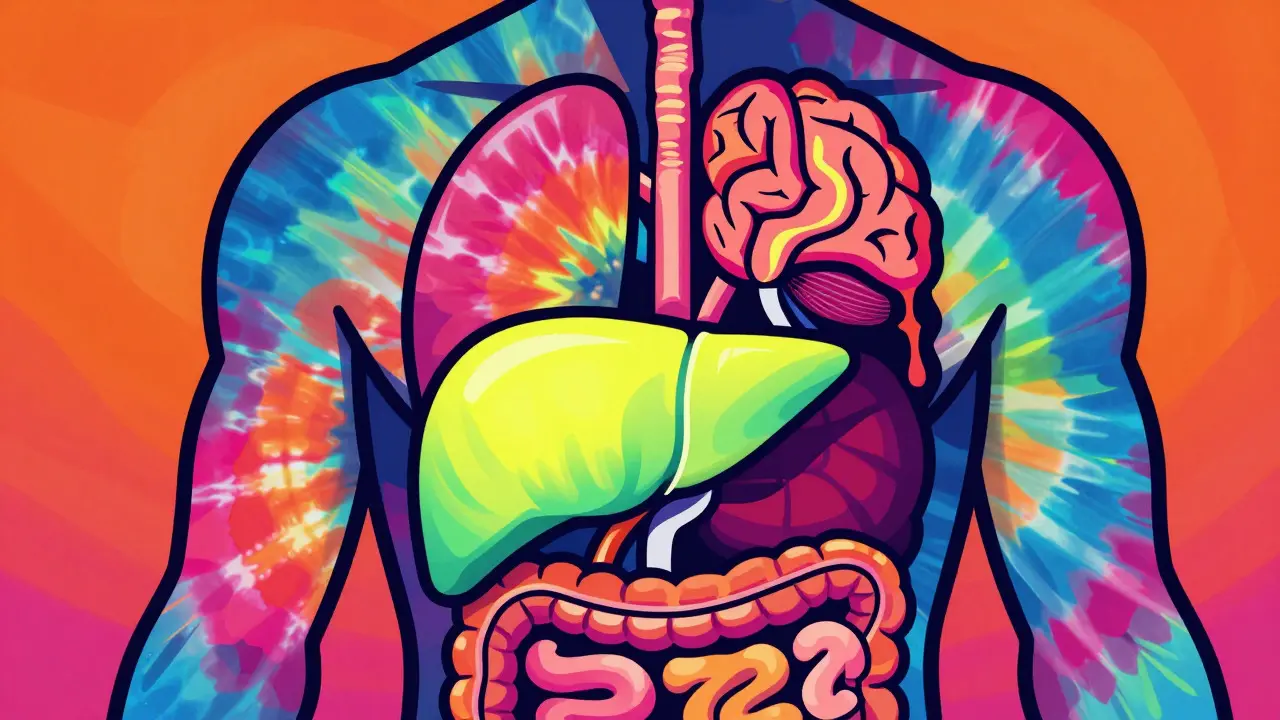
Alcohol is everywhere. It’s in the fridge, at the pub, and often part of our daily social rituals. But for millions of people, that casual drink turns into a relentless cycle they can’t break. This isn't just about "having too much to drink" one night; it’s a medical condition known as Alcohol Use Disorder, commonly referred to as AUD or chronic alcoholism.
If you or someone you love struggles with controlling alcohol intake despite negative consequences, you are not alone, and more importantly, you are not broken beyond repair. Understanding what happens inside your body and knowing exactly how modern medicine treats this condition is the first step toward taking back control.
What Is Chronic Alcohol Use Disorder?
Let's clear up a common misconception right away: AUD is not a moral failing or a lack of willpower. It is a recognized, treatable medical condition. The American Psychiatric Association defines it in their diagnostic manual, the DSM-5, as a pattern of problematic alcohol use leading to clinically significant impairment or distress.
The severity ranges from mild to severe. Mild might mean meeting two or three criteria, like drinking more than intended or failing to fulfill major obligations at work or school due to drinking. Severe AUD involves six or more criteria, including a strong craving for alcohol, withdrawal symptoms when stopping, and continued use despite knowing it causes physical or psychological problems.
This condition develops progressively. It often starts with social drinking, moves to tolerance (needing more alcohol to feel the same effect), and eventually leads to physical dependence. When the body gets used to the constant presence of alcohol, removing it triggers a chaotic physiological response known as withdrawal.
The Hidden Physical Toll: How Alcohol Damages Your Body
You might think you’re handling your drinking fine because you still go to work or show up for family events. But internally, chronic alcohol misuse is attacking nearly every organ system in your body. The damage is cumulative and often silent until it reaches a critical stage.
Liver Damage: From Fatty Liver to Cirrhosis
Your liver is the primary filter for toxins, making it the frontline victim of alcohol abuse. The progression typically follows three distinct stages:
- Hepatic Steatosis (Fatty Liver): This affects up to 90% of heavy drinkers. Fat builds up in liver cells, causing inflammation. The good news? This stage is often reversible if you stop drinking completely.
- Alcoholic Hepatitis: Here, widespread inflammation and cell death occur. You might experience jaundice (yellowing of the skin), abdominal pain, and fever. This is a serious warning sign.
- Cirrhosis: This is the final stage where healthy liver tissue is replaced by scar tissue. The liver loses its ability to function. While some damage may be stabilized by abstinence, cirrhosis is largely permanent and can lead to liver failure.
Brain and Nervous System Impact
Alcohol is a central nervous system depressant. Long-term use shrinks brain tissue and disrupts communication between neurons. One of the most dangerous complications is Wernicke-Korsakoff syndrome, caused by a severe deficiency in thiamine (Vitamin B1). As many as 80% of individuals with severe AUD develop this deficiency. Symptoms include severe mental confusion, muscular incoordination, and eye movement problems. If left untreated, it leads to Korsakoff psychosis, characterized by profound memory loss and hallucinations.
Neurological issues also manifest as peripheral neuropathy-numbness, tingling, and pain in the hands and feet. Cognitive decline, including short-term memory loss and difficulty concentrating, becomes increasingly common as the disorder progresses.
Cardiovascular and Cancer Risks
The heart takes a beating too. Excessive drinking raises blood pressure, contributing to about 16% of hypertension cases. It increases the risk of stroke by 34% and atrial fibrillation (an irregular heartbeat) by 40%. Over time, this weakens the heart muscle, leading to cardiomyopathy.
Perhaps most alarming is the link to cancer. The American Cancer Society notes that heavy drinkers face a five times higher risk of mouth cancer and a three times higher risk of head and neck cancer. For breast cancer, the risk increases by 12% for every daily drink. Bowel and liver cancers are also significantly more prevalent in those with chronic AUD.
| Organ/System | Specific Condition | Risk Increase/Impact |
|---|---|---|
| Liver | Cirrhosis | Extensive scarring; irreversible without transplant |
| Heart | Atrial Fibrillation | 40% increased risk |
| Brain | Wernicke's Encephalopathy | Caused by Vitamin B1 deficiency; leads to confusion |
| Mouth/Throat | Oropharyngeal Cancer | 5x higher risk for heavy drinkers |
| Immune System | Pneumonia | 2.7x more likely to develop community-acquired pneumonia |
Mental Health and Social Consequences
The damage isn't just physical. AUD creates a vicious cycle with mental health disorders. Depression and anxiety are both causes and effects of chronic drinking. Many people start drinking to self-medicate stress, but alcohol ultimately worsens neurotransmitter imbalances, deepening the depression.
Socially, the ripple effects are devastating. Relationships fracture under the weight of unpredictability and broken promises. Financial stability erodes due to unemployment or spending excessive income on alcohol. The Mental Health Foundation reports that long-term misuse frequently leads to homelessness and isolation. The stigma surrounding addiction often prevents people from seeking help, fearing judgment rather than receiving care.
Treatment Options: Medications That Work
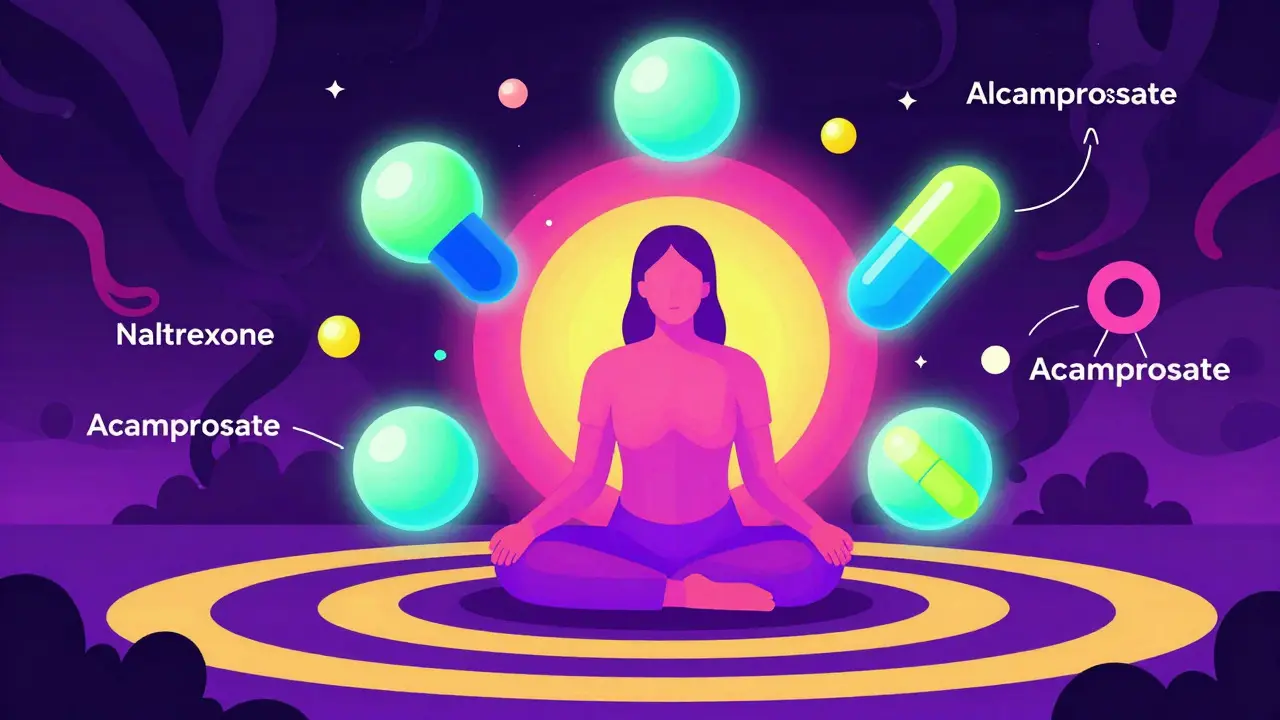
One of the biggest myths about AUD is that the only solution is total abstinence through sheer willpower. Modern medicine offers powerful pharmacological tools that address the biological roots of addiction. These medications are FDA-approved and highly effective when combined with therapy.
- Naltrexone (ReVia, Vivitrol): This medication works by blocking opioid receptors in the brain. When you drink while on Naltrexone, you don’t get the same euphoric "buzz." Over time, this helps reduce cravings and breaks the reward cycle associated with drinking. Studies show it can significantly decrease the number of heavy drinking days.
- Acamprosate (Campral): This drug helps restore the chemical balance in your brain after you’ve stopped drinking. It reduces post-acute withdrawal symptoms like anxiety, insomnia, and restlessness, making early recovery more manageable.
- Disulfiram (Antabuse): This acts as a deterrent. If you drink alcohol while taking Disulfiram, it causes unpleasant physical reactions like nausea, vomiting, and flushing. It’s not for everyone, but for some, the fear of these side effects provides the extra motivation needed to stay sober.
Behavioral Therapies and Support Systems
Medication addresses the chemistry, but therapy addresses the behavior and mindset. Cognitive Behavioral Therapy (CBT) is the gold standard here. CBT helps you identify the triggers that lead to drinking-whether it’s stress, boredom, or specific social situations-and teaches you coping strategies to handle them without alcohol. Research indicates CBT can reduce heavy drinking days by up to 60%.
Motivational Enhancement Therapy (MET) is another effective approach, particularly for those who are ambivalent about quitting. It helps resolve the internal conflict between wanting to change and wanting to keep drinking.
Support groups play a crucial role in long-term maintenance. Alcoholics Anonymous (AA), founded in 1935, remains the most well-known mutual-support group. Their 12-step program emphasizes spiritual growth and peer accountability. While participation rates vary, many find the community aspect essential for staying sober. Other secular options include SMART Recovery, which focuses on scientific self-empowerment techniques.
Emerging Treatments and Future Directions
Science is advancing rapidly. New treatments are moving beyond traditional pills and meetings. Transcranial Magnetic Stimulation (TMS), a non-invasive procedure that uses magnetic fields to stimulate nerve cells in the brain, has shown promise. A 2022 study published in JAMA Psychiatry reported 50% abstinence rates among participants using TMS alongside standard care.
Digital therapeutics are also changing the landscape. Apps like reSET provide structured, evidence-based interventions directly on your smartphone. In clinical trials, patients using these digital tools showed significantly higher abstinence rates compared to those receiving standard care alone. These technologies make treatment more accessible, especially for those in rural areas or with busy schedules.
Getting Help: The First Step
If you recognize these signs in yourself or a loved one, don’t wait for a crisis to intervene. Detoxification should always be medically supervised, especially for severe AUD, as withdrawal can be life-threatening. Symptoms like seizures and delirium tremens require immediate hospital care.
Recovery is a journey, not a destination. It involves relapses, setbacks, and hard work. But with the right combination of medication, therapy, and support, remission is absolutely possible. The key is recognizing AUD as a medical condition deserving of professional treatment, not shame.
Is Alcohol Use Disorder curable?
While AUD is considered a chronic condition, it is highly treatable. Many people achieve long-term remission, meaning they no longer meet the diagnostic criteria for the disorder. With ongoing management, including medication and therapy, individuals can live full, healthy lives without alcohol.
How long does detox take?
Acute alcohol withdrawal typically begins within 6-24 hours after the last drink and peaks around 48-72 hours. Most acute symptoms subside within a week, but post-acute withdrawal symptoms (PAWS) like anxiety and sleep disturbances can last for months. Medical supervision is crucial during the initial phase to manage potentially dangerous symptoms like seizures.
Can liver damage from alcohol be reversed?
Early stages of liver damage, such as fatty liver (hepatic steatosis), are often reversible with complete abstinence from alcohol. However, advanced stages like cirrhosis involve permanent scarring. While stopping drinking can prevent further damage and improve quality of life, cirrhosis itself is generally irreversible without a liver transplant.
What is the difference between Naltrexone and Acamprosate?
Naltrexone works primarily by reducing cravings and blocking the pleasurable effects of alcohol, making it useful for preventing relapse. Acamprosate, on the other hand, helps stabilize brain chemistry after you have already stopped drinking, reducing discomfort and anxiety associated with abstinence. Doctors often choose based on individual patient needs and whether the goal is harm reduction or total abstinence.
Does insurance cover AUD treatment?
In many countries, including the US under the Affordable Care Act, mental health and substance use disorder treatments are considered essential health benefits. This means most insurance plans must cover counseling, medication, and sometimes inpatient rehab. However, coverage levels vary widely by plan, so it’s important to check with your provider regarding copays and network restrictions.
Gary Hull
July 21, 2026 AT 00:29its all about willpower really. people just want an excuse to drink and blame it on some chemical imbalance. if you stop wanting the buzz you stop drinking. simple as that.
Padraic Cepek
July 22, 2026 AT 04:22This is typical soft thinking. We used to have character in this country. Now everyone is a victim of their own choices. The government should just let them rot instead of wasting tax dollars on these fancy therapies. Real men handle their demons without help.
Mildred Fierce
July 22, 2026 AT 05:55The data presented here is superficial at best. You mention Wernicke-Korsakoff syndrome but fail to elaborate on the specific thiamine transport mechanisms across the blood-brain barrier which are compromised long before clinical symptoms appear. It is a gross oversimplification to suggest that mere abstinence reverses the neurological degradation without addressing the underlying metabolic deficits. Furthermore, the correlation between AUD and atrial fibrillation is often confounded by lifestyle factors that are not adequately controlled for in these studies. One must look deeper into the genetic predispositions rather than just blaming the substance itself. The social consequences mentioned are merely symptoms of a broader societal decay that prioritizes individualism over communal responsibility. It is disingenuous to present CBT as a panacea when relapse rates remain stubbornly high despite its widespread adoption. We need more rigorous longitudinal studies before declaring any treatment 'effective'.
Trey Newkerk
July 23, 2026 AT 13:05You speak of medicine as if it saves souls, but it only masks the screaming void within! The body breaks down, yes, but the spirit? The spirit is already ash. Naltrexone blocks the reward, sure, but who fills the hollow space where joy once lived? It is a tragedy of epic proportions, a slow suicide sanctioned by society. We are all addicts, just to different things. Alcohol is merely the most visible chain. The real horror is not the liver failure, but the realization that we are trapped in a cycle of consumption that leads nowhere. Existential dread is the true withdrawal symptom.
Marie-Gladys Darcelin
July 24, 2026 AT 11:34It is truly lamentable how society has pathologized what was once considered a lack of discipline. The notion that one requires pharmaceutical intervention to cease a behavior is absurd. True healing comes from spiritual awakening and strict adherence to moral codes, not from popping pills prescribed by doctors who barely understand the human condition. Shame is a powerful motivator, yet we have replaced it with therapy talk. How quaint.
Kyle Bonnette-Lykens
July 25, 2026 AT 13:08i disagree. meds work. i know people who got sober with naltrexone. dont be so quick to judge.
Jasmine Agito
July 25, 2026 AT 16:32I appreciate the comprehensive overview of the physiological impacts, particularly the section on liver progression. It is crucial to emphasize that hepatic steatosis is reversible, as many patients feel hopeless upon diagnosis. Regarding medications, it is worth noting that while Disulfiram acts as a deterrent, its efficacy relies heavily on patient compliance and support systems, which can be challenging in isolated individuals. Acamprosate is often underutilized due to insurance hurdles, despite its effectiveness in maintaining abstinence by stabilizing glutamate transmission. For those considering treatment, consulting a hepatologist alongside an addiction specialist can provide a more holistic approach to managing both the dependency and the organ damage.
Tony Malvagna
July 25, 2026 AT 23:13Man this is heavy stuff but also super important! We gotta break the stigma around asking for help. Its not weak to need meds or therapy. Its brave. I see too many guys trying to tough it out alone and paying the price later. If you reading this and feeling stuck, reach out. There is light at the end of the tunnel even if you cant see it right now. Keep pushing forward!
Jamie Rogers
July 27, 2026 AT 14:35This article is a beacon of hope for so many struggling families! The explanation of how alcohol affects the brain's reward system is incredibly clarifying. It validates the experience of those who feel like they are fighting a war inside their own heads. I am thrilled to see emerging treatments like TMS getting attention. It gives me so much energy knowing that science is advancing and offering new pathways to recovery. Let us continue to spread awareness and support one another on this journey!
Angie Lara
July 28, 2026 AT 12:36In my culture, we often view drinking as a communal activity, so the isolation described here feels very foreign yet increasingly common. It is sad to see how individualism has taken over. The mention of digital therapeutics is interesting because accessibility is key. In rural areas, getting to a clinic is hard. Apps might bridge that gap. Just wish there was more focus on community based solutions rather than just medical ones.