That nagging cough that just won’t quit? It’s more than a cold. If you’ve been hacking up mucus for months, or even years, you might be dealing with chronic bronchitis, which is a persistent inflammation of the bronchial tubes leading to excessive mucus production and airflow obstruction. It’s not just annoying; it’s serious. In fact, it’s one of the main faces of Chronic Obstructive Pulmonary Disease (COPD), a condition affecting millions and ranking as a top cause of death globally. But here’s the good news: while there’s no magic cure, you can take control. By understanding your symptoms, managing that stubborn sputum, and tackling the root cause-usually smoking-you can breathe easier and live better.
What Exactly Is Chronic Bronchitis?
Let’s clear up the confusion first. Acute bronchitis hits hard but leaves after a few weeks, usually following a virus. Chronic bronchitis is different. Medically, it’s defined by a specific timeline: a productive cough that lasts for at least three months a year, for two consecutive years. That’s the benchmark doctors use.
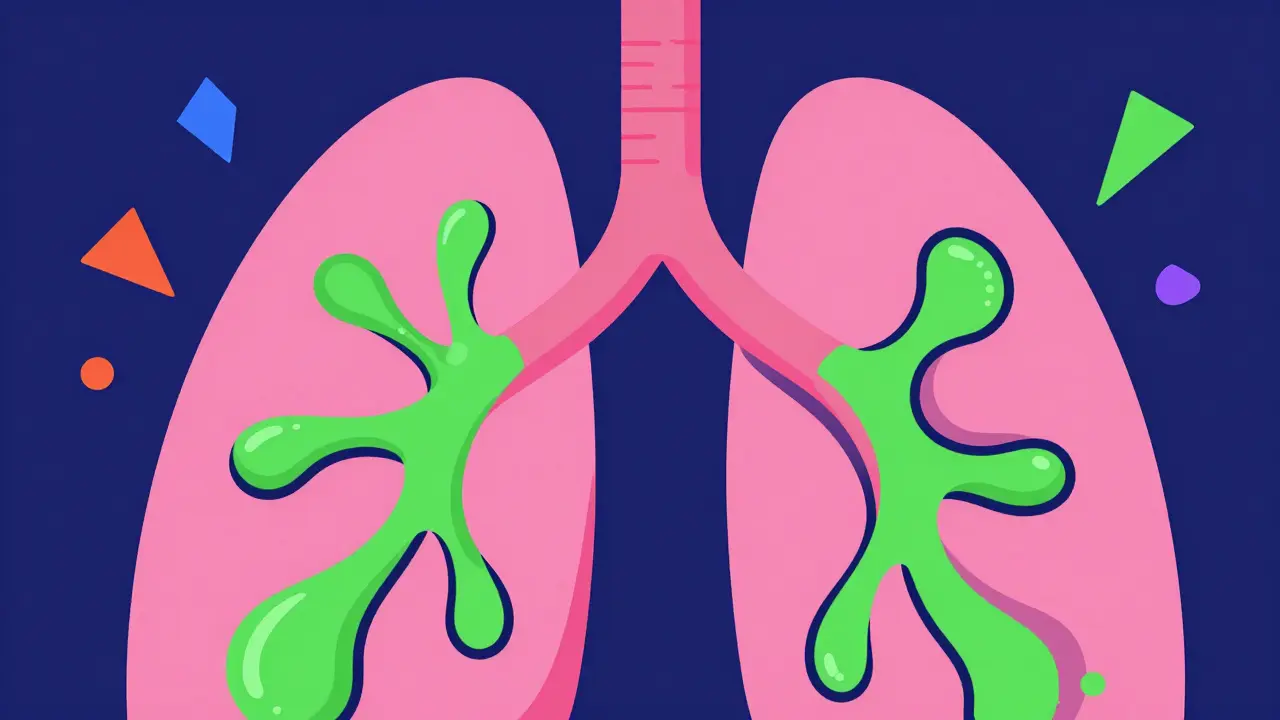
Think of your airways like garden hoses. In chronic bronchitis, those hoses get swollen and clogged with thick sludge. This happens because the lining of your bronchial tubes becomes inflamed and irritated over time. Your body tries to protect itself by producing extra mucus (sputum) to trap irritants. But instead of clearing out, that mucus builds up, blocking airflow and making every breath a struggle. According to the National Library of Medicine, about 75% of cases in the US are directly linked to current or former smoking. It’s a slow burn, often starting subtly in your 40s or 50s, but the damage accumulates silently until breathing feels like work.
Spotting the Signs: Beyond the Cough
You probably know the cough. It’s deep, frequent, and produces phlegm. But chronic bronchitis does more than make you cough. Recognizing these other signs helps you understand how much the disease is impacting your daily life:
- Shortness of breath: About 82% of patients feel this during physical activity. Walking up stairs or carrying groceries might leave you winded when it used to be easy.
- Wheezing: A whistling sound when you exhale, present in nearly 60% of cases. It’s the sound of air struggling through narrowed passages.
- Chest tightness or pain: Reported by 68% of moderate-to-severe patients. It feels like a heavy weight on your chest.
- Fatigue: You’re tired all the time. Why? Because your body is working overtime just to breathe. The American Lung Association notes that 73% of patients experience significant fatigue.
- Frequent infections: With damaged airways, you’re 3.2 times more likely to pick up viral or bacterial lung infections, which can trigger severe flare-ups (exacerbations).
If you’re noticing these symptoms lingering long after a “cold” should have passed, it’s time to talk to a doctor. Early diagnosis changes everything.
The Root Cause: Why Smoking Matters Most
We need to talk about smoking. It’s the elephant in the room, and it’s responsible for over 90% of chronic bronchitis cases. Here’s the hard truth from a 30-year study cited in StatPearls: the cumulative incidence of chronic bronchitis is 42% in current smokers, compared to just 22% in people who never smoked.
But it’s not just cigarettes. Long-term exposure to air pollution accounts for 18% of non-smoking cases. Occupational hazards like chemical fumes, dust, or vapors contribute to another 12%. Even secondhand smoke plays a role, implicated in 9% of cases among never-smokers. And for a small percentage (about 2%), a genetic condition called alpha-1 antitrypsin deficiency is the culprit.
However, for the vast majority, stopping smoking is the single most effective thing you can do. Dr. John Walsh, President of the COPD Foundation, puts it bluntly: quitting is associated with a 60% slower disease progression compared to continuing to smoke. Every day you don’t smoke, your lungs start to heal. It’s not too late, no matter how long you’ve smoked.
Managing Symptoms: Medications and Therapies
So, what do you do once diagnosed? Management is multi-layered. There’s no one-size-fits-all pill, but a combination approach works best.
| Treatment Type | How It Helps | Key Considerations |
|---|---|---|
| Bronchodilators | Relax muscles around airways to open them up. | Short-acting types work in 15 minutes; long-acting provide all-day relief. |
| Inhaled Corticosteroids | Reduce inflammation in the bronchial tubes. | Long-term use may increase risks of osteoporosis or diabetes; rinse mouth after use. |
| Mucolytics | Thin the mucus so it’s easier to cough up. | Examples include N-acetylcysteine; GOLD guidelines recommend routine use for some patients. |
| Antibiotics | Treat bacterial infections during exacerbations. | Only used when infection is suspected; amoxicillin-clavulanate is common. |
| Oxygen Therapy | Boosts blood oxygen levels if saturation drops below 88%. | Can improve survival rates by 21% in severe cases; requires consistent use. |
One critical point: inhaler technique matters immensely. Studies show that 38% of patients need extra training beyond their initial prescription visit. If you’re not using your inhaler correctly, you’re not getting the medicine. Ask your respiratory therapist to watch you. It’s awkward, but it saves lives.
The Power of Pulmonary Rehabilitation
Medication isn’t enough. You need to retrain your body. Pulmonary rehabilitation is a structured program combining exercise, education, and nutrition counseling. It’s often overlooked, but the data is compelling. The American Lung Association found that these programs reduce hospitalizations by 37% and improve the distance patients can walk in six minutes by an average of 78 meters.
Imagine being able to walk to the end of your street without stopping. That’s what a 58-year-old former smoker reported after six months of rehab and quitting smoking. It’s not just about fitness; it’s about regaining independence. Dr. MeiLan Han from the University of Michigan emphasizes that rehab should be standard care for *all* chronic bronchitis patients, regardless of severity. It builds endurance, teaches breathing techniques like pursed-lip breathing, and provides emotional support.

Quitting Smoking: Real Support, Not Just Willpower
We know you should quit. We also know it’s incredibly hard. Willpower alone fails 93% of the time. That’s why professional support is non-negotiable. Data shows that 68% of patients who receive structured smoking cessation support from their healthcare provider successfully quit, compared to only 22% who try on their own.
Effective programs combine behavioral counseling with medication. Varenicline (Chantix) combined with nicotine replacement therapy (patches, gum) achieves 45% abstinence rates at six months. That’s a massive improvement over the 7% spontaneous quit rate. Don’t view quitting as a solo mission. Integrate it with your pulmonary rehab. When you tackle both simultaneously, success rates jump to 52% at one year.
Here’s a practical tip: identify your triggers. Is it stress? Coffee? Driving? Have a plan for each. Replace the habit with something else-deep breathing exercises, chewing sugar-free gum, or a short walk. And forgive yourself if you slip up. Relapse is part of the process for many. What matters is getting back on track immediately.
Vaccinations: Your First Line of Defense
With compromised lungs, infections are dangerous. They can turn a manageable day into a hospital stay. Vaccines are your shield. The CDC recommends an annual influenza vaccine, which reduces the risk of exacerbations by 42%. Additionally, pneumococcal vaccines, given every five to seven years, offer 68% protection against pneumonia complications. These aren’t optional extras; they’re core components of your treatment plan. Talk to your doctor about which ones you need based on your age and health history.
Living Well with Chronic Bronchitis
Living with chronic bronchitis means adapting. It’s not about giving up; it’s about smart living. Keep your home clean to reduce dust and mold. Use air purifiers if pollution is high in your area. Stay hydrated-water thins mucus naturally. Eat nutrient-dense foods to fuel your body’s energy demands. And connect with others. Online communities and local support groups provide empathy and practical tips from people who truly understand.
The future looks brighter too. New treatments like ensifentrine, approved in 2023, offer fresh hope by reducing exacerbations and improving walking capacity. Digital health tools, including AI-powered inhaler sensors, are emerging to help you adhere to your regimen. But none of this replaces the foundation: quitting smoking, taking your meds correctly, and staying active through rehab. You have the power to change your trajectory. Start today.
Is chronic bronchitis the same as COPD?
Chronic bronchitis is one of the two main conditions that make up COPD, the other being emphysema. Many people have both. COPD is the broader term for chronic obstructive lung diseases that cause airflow blockage and breathing-related problems.
Can chronic bronchitis be cured?
There is no cure for chronic bronchitis. However, its progression can be slowed significantly, especially by quitting smoking. Symptoms can be managed effectively with medication, pulmonary rehabilitation, and lifestyle changes, allowing many people to live full, active lives.
How long does it take for lungs to heal after quitting smoking?
Healing begins almost immediately. Within weeks, circulation improves and lung function starts to recover. Over months to years, the risk of heart disease and lung cancer drops dramatically. While scar tissue doesn't reverse, inflammation decreases, mucus production lessens, and the rate of disease progression slows by up to 60%.
What causes the blue lips or fingernails in chronic bronchitis?
This symptom, called cyanosis, indicates low oxygen levels in the blood. It’s a sign of severe hypoxemia and requires immediate medical attention. Oxygen therapy may be necessary to raise blood oxygen saturation above 88% to prevent organ damage and improve survival rates.
Are antibiotics always needed for chronic bronchitis flare-ups?
No. Antibiotics are only effective against bacterial infections. Most flare-ups are caused by viruses or environmental irritants. Doctors typically prescribe antibiotics like amoxicillin-clavulanate only when there’s evidence of a bacterial infection, such as increased sputum volume, thicker pus-like color, and fever.