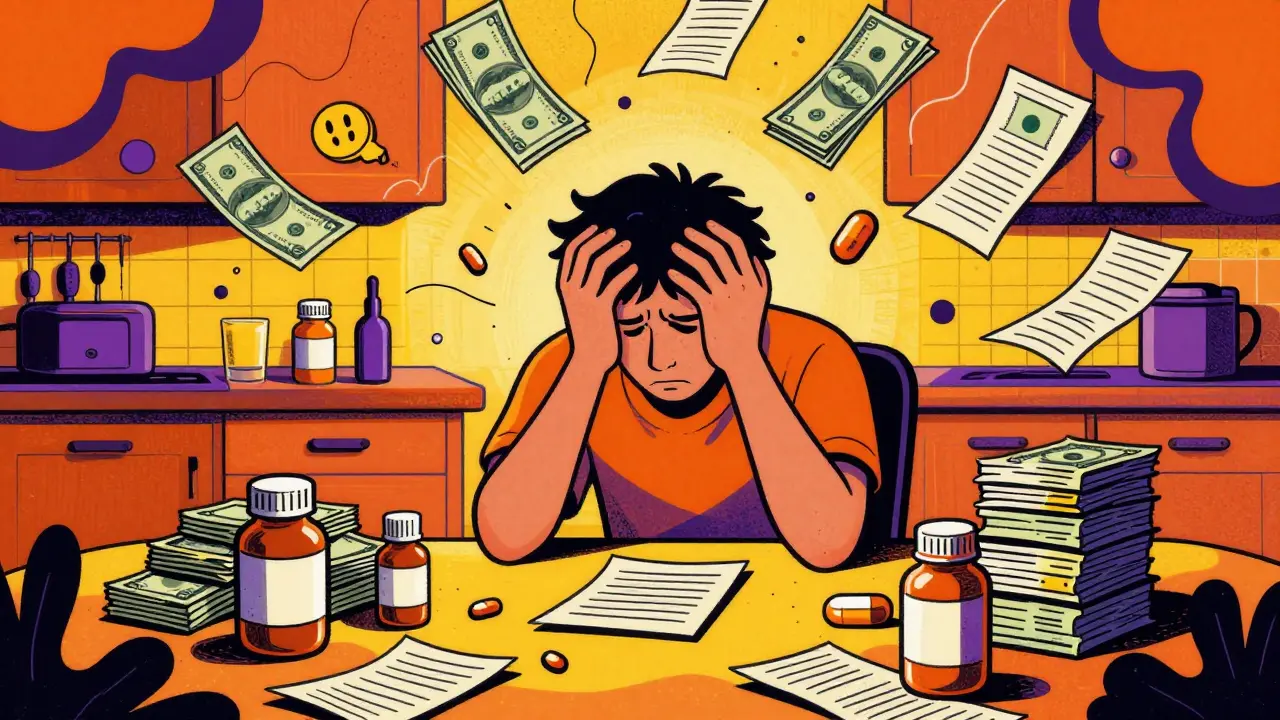
Generic medications are supposed to be the budget-friendly option. They cost a fraction of brand-name drugs. Yet, if you look at your monthly bills, those small copays add up fast. You might be paying $10 or $15 per pill, three times a month. That’s not cheap when you’re on a fixed income or working two jobs. The big twist? Unlike brand-name drugs, which often come with manufacturer coupons that drop costs to zero, generic drug makers rarely offer direct help. Their profit margins are too thin. So, where do you turn when the price tag still hurts?
The landscape changed significantly starting in January 2026. Thanks to the Inflation Reduction Act, millions of Americans now have new protections against skyrocketing drug costs. But knowing what exists and how to use it is half the battle. This guide cuts through the noise to show you exactly where to find financial relief for generic prescriptions.
Why Generic Copay Assistance Is Different
To understand why help is harder to find, you have to look at who makes these drugs. Brand-name pharmaceutical companies spend billions on research and development. To recoup those costs, they charge high prices. They also have deep pockets to fund copay cards that subsidize patient costs. Generic manufacturers, however, produce copies of drugs after patents expire. They compete fiercely on price. Because their margins are razor-thin, they simply cannot afford to give away money to patients.
This creates a unique challenge. If you take a brand-name drug, you might call the maker and get a coupon. If you take a generic like metformin or lisinopril, there is no company hotline to call for a discount card. Instead, your safety net comes from government programs, insurance structures, and independent pharmacy discounts. Understanding this shift is the first step to lowering your bill.
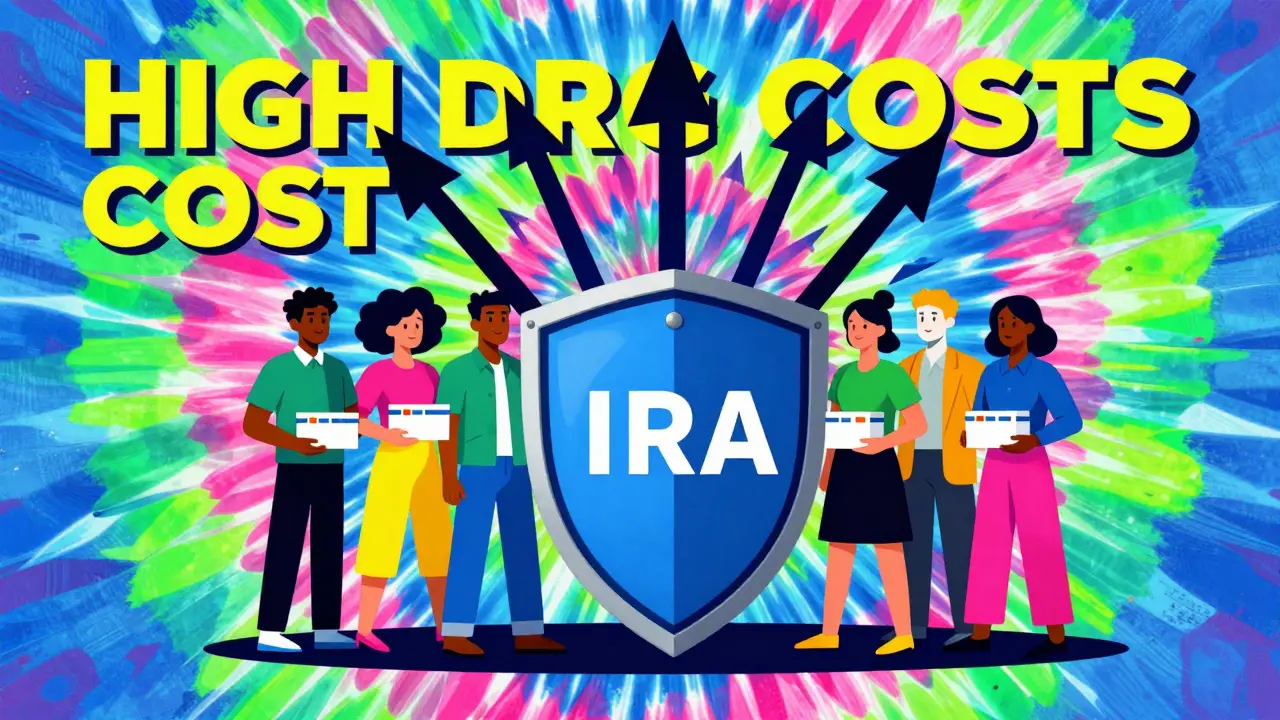
The Game Changer: IRA Protections for 2026
If you are on Medicare, the rules have shifted in your favor. The Inflation Reduction Act (IRA) introduced hard caps on out-of-pocket spending. As of 2026, Medicare Part D beneficiaries face a maximum annual out-of-pocket limit of $2,000. Before this law, that cap was over $8,000. For people taking multiple generic medications daily, hitting that old cap was common and devastating. Now, once you spend $2,000 in a year, your plan covers 100% of your drug costs for the rest of the year.
Additionally, insulin costs are capped at $35 per month for most Medicare plans. While this specifically targets insulin, it signals a broader trend toward controlling essential medication costs. If you are still paying more than $2,000 annually, check your plan’s enrollment status. You may be eligible for retroactive adjustments or need to switch plans during the next Open Enrollment period.
Medicare Extra Help: The Gold Standard
For low-income seniors, Medicare Extra Help (officially known as the Low-Income Subsidy) remains the most powerful tool available. It is not just a coupon; it is a federal subsidy that drastically reduces your premiums and copays.
| Drug Type | Max Copay |
|---|---|
| Preferred Generic | $4.90 |
| Non-Preferred Generic | $4.90 |
| Brand Name | $12.15 |
Notice the difference? With Extra Help, your generic copay is locked at less than five dollars. Without it, you could pay significantly more depending on your plan’s tier structure. Eligibility is based on income and resources. Generally, if you are single and earn under roughly $20,000 annually, or married and under $27,000, you likely qualify. The application process can be slow-often taking 45 to 90 days. Do not wait until you are desperate. Apply early through the Social Security Administration website or by calling them directly.
Pharmacy Discount Programs: No Questions Asked
If you have commercial insurance or do not qualify for Extra Help, pharmacy discount programs are your best friend. These are not insurance plans. They are negotiated bulk-purchase agreements between pharmacies and discount card providers. You present the coupon code at checkout, and the pharmacy applies the discounted rate.
Major chains have simplified this process:
- Walmart: Offers a list of over 2,000 generic medications for $4 for a 30-day supply or $10 for a 90-day supply. This program is open to everyone, regardless of insurance status.
- Kroger/Rite Aid: Similar savings clubs often feature generics for $15 to $20 per month.
- SingleCare / GoodRx: Independent apps that compare prices across local pharmacies. Sometimes, the cash price with a discount code is lower than your insurance copay.
A critical rule here: You cannot combine insurance with these discounts. You must choose one or the other. If your insurance copay is $15, but Walmart offers the same drug for $4, pay the $4 cash. It sounds counterintuitive to skip insurance, but math is math. Always ask the pharmacist to run both options before you leave the counter.
Navigating the "Assistance Gap"
There is a frustrating group of patients who fall into the "assistance gap." These are individuals who earn too much to qualify for Medicaid or Medicare Extra Help, but not enough to comfortably afford out-of-pocket costs. They often make between $25,000 and $40,000 annually. For them, neither government subsidies nor manufacturer coupons apply.
For this demographic, nonprofit organizations become vital. Groups like NeedyMeds and the PAN Foundation offer grants and sliding-scale assistance. However, these programs are competitive. Approval rates hover around 78% for those below 250% of the federal poverty level, but drop sharply for higher earners. The key strategy here is persistence. Apply to multiple organizations simultaneously. Document every rejection. Use State Health Insurance Assistance Program (SHIP) counselors to review your eligibility for state-specific waivers you might have missed.
Practical Steps to Lower Your Bill Today
Stop guessing and start executing. Here is your action plan:
- Check Your Formulary Tier: Log into your insurance portal. See which tier your generic drug is on. If it is on Tier 3 or 4, request a formulary exception or prior authorization to move it to Tier 1.
- Compare Cash vs. Copay: Download a discount app like GoodRx. Check the price at three different local pharmacies. Compare that to your insurance copay. Pay the lowest amount.
- Apply for Extra Help: If you are on Medicare, assume you might qualify. The worst they can say is no. Visit ssa.gov/medicareextrahelp.
- Ask About Samples: While generic makers don’t provide samples, sometimes doctors have leftover stock or can prescribe a slightly different generic brand that is cheaper.
- Contact SHIP: Call your local State Health Insurance Assistance Program. They offer free, unbiased counseling on Medicare and drug costs. They know the loopholes you don’t.
Financial stress over medication is real, but it is manageable. By leveraging the new IRA caps, utilizing pharmacy discounts, and applying for targeted aid, you can keep your health stable without breaking the bank. Do not accept the first price quoted at the pharmacy counter. Ask questions. Compare options. Take control of your healthcare costs.
Do generic drug manufacturers offer copay cards?
Generally, no. Most generic manufacturers operate on thin profit margins and do not have the resources to fund copay assistance programs. Unlike brand-name drugs, generics rely on lower base prices rather than manufacturer subsidies for affordability.
What is the out-of-pocket cap for Medicare in 2026?
As of 2026, the Inflation Reduction Act mandates a hard annual out-of-pocket cap of $2,000 for Medicare Part D beneficiaries. Once you reach this limit, your plan covers 100% of prescription costs for the remainder of the year.
Can I use a pharmacy discount coupon with my insurance?
No, you cannot combine them. Pharmacy discount programs require you to pay the cash price. You must choose either your insurance copay or the discounted cash price, whichever is lower. Using a discount coupon will not count toward your insurance deductible.
How do I qualify for Medicare Extra Help?
Eligibility is based on income and resources. Single individuals earning under approximately $20,000 annually, or couples under $27,000, typically qualify. You must apply through the Social Security Administration. If you receive SSI or Medicaid, you are automatically enrolled.
Where can I find free help navigating drug costs?
Contact your local State Health Insurance Assistance Program (SHIP). They provide free, unbiased counseling on Medicare and prescription drug costs. Additionally, websites like NeedyMeds and the PAN Foundation offer databases of patient assistance programs and nonprofit grants.