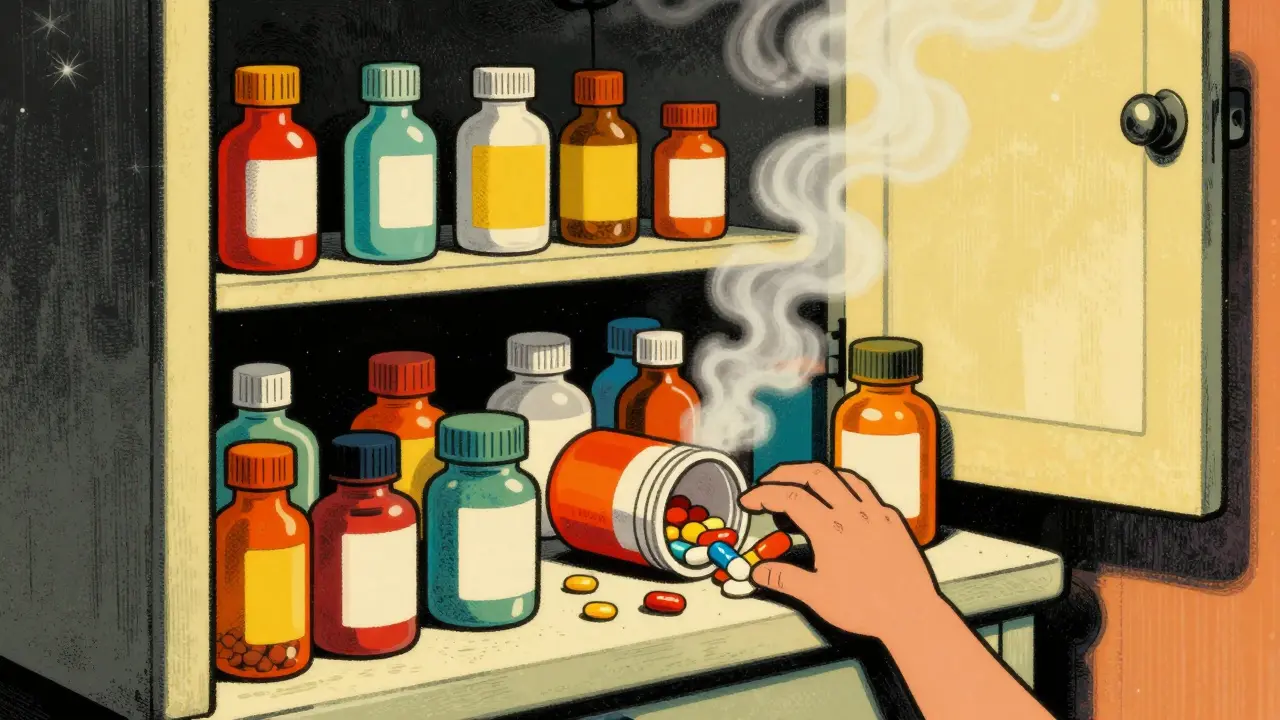
Your medicine cabinet is likely the most dangerous place in your house. It sounds dramatic, but the data backs it up. Nearly every American home holds prescription or over-the-counter medications, creating a silent hazard for toddlers who mistake colorful pills for candy and teens looking to experiment. But there is another threat hiding in plain sight: fake drugs. Counterfeit medications are no longer just a problem in developing nations; they are infiltrating supply chains globally, ending up in online pharmacies and even legitimate-looking packages delivered to your doorstep.
Protecting your health requires a two-pronged approach. You need to lock away what you have to prevent accidental ingestion and diversion, and you need to verify that what you buy is real. This guide breaks down exactly how to secure your home supply and spot fakes before they cause harm.
The Hidden Dangers of Improper Storage
We often treat our medicine cabinets like catch-all drawers. We toss leftover antibiotics, daily blood pressure meds, and children’s fever reducers into the same jar. This habit is risky. According to data from the Washington State Department of Health, children under five account for 60% of accidental medication poisonings treated in emergency rooms. The National Association for Children of Alcoholics (NACoA) reports that 70% of adolescent prescription misuse starts with pills found in their own homes.
It’s not just about keeping kids out. Environment matters too. Most people store meds in the bathroom because that’s where they take them. Big mistake. Bathrooms are hot and humid. A single shower can spike humidity above 80%. In those conditions, aspirin degrades into vinegar and salicylic acid within two weeks. Ampicillin loses 30% of its potency in just seven days at high humidity. If your medicine isn’t working, you aren’t getting treated.
| Storage Location | Risk Factor | Potential Consequence |
|---|---|---|
| Bathroom Cabinet | High Humidity (>80%) | Chemical degradation (e.g., aspirin turns to vinegar) |
| Nightstand/Counter | Easy Access | Accidental ingestion by children (68% of incidents) |
| Car Glove Box | Extreme Heat/Cold | Loss of efficacy in biologics like insulin |
| Locked Bedroom Drawer | Controlled Temp/Humidity | Optimal preservation and security |
How to Spot Counterfeit Drugs
Fake drugs are becoming sophisticated. They might look right, but inside, they could contain nothing but flour, or worse, toxic substances like fentanyl or rat poison. The FDA warns that counterfeit products are a major public health risk. Here is how to check if your medication is legit.
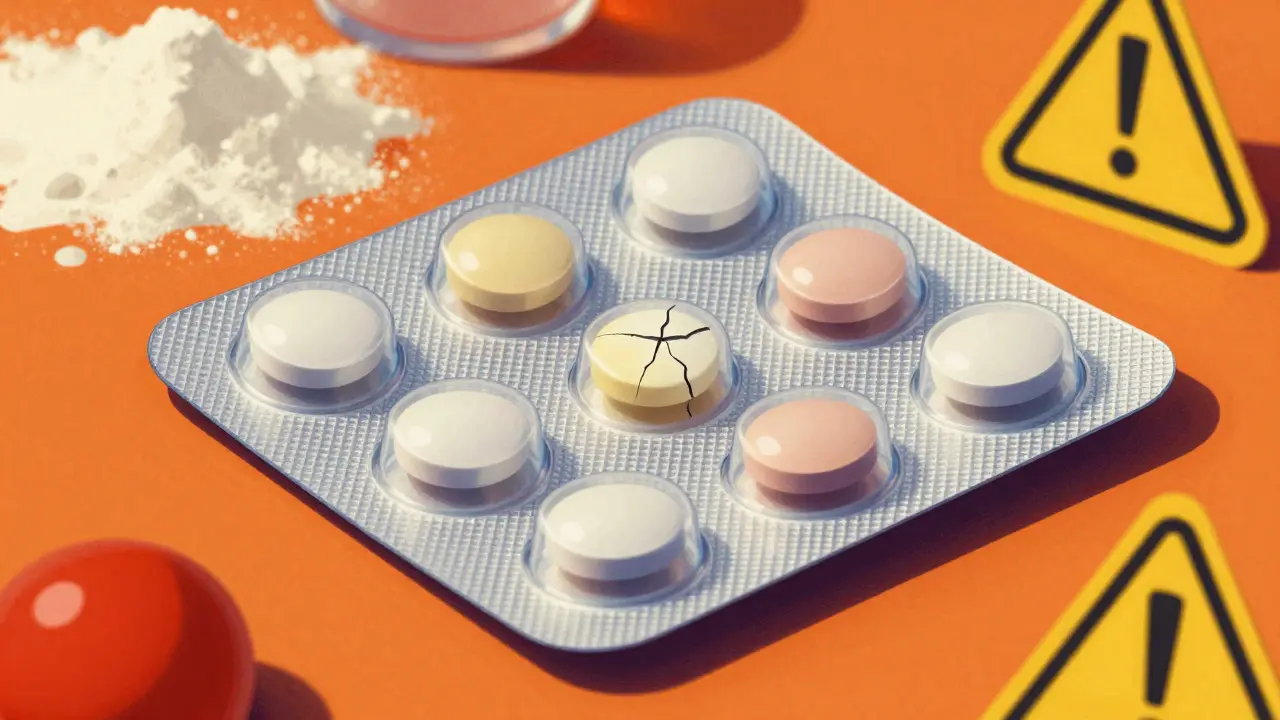
Check the Packaging: Legitimate pharmaceutical companies invest heavily in branding. Look for spelling errors, blurry logos, or flimsy blister packs. Real foil backing should tear cleanly. If the seal is broken or looks glued on, do not use it.
Examine the Pill: Compare the pill to the one in your previous bottle. Is the color slightly off? Are there cracks or chips? Does it smell strange? Real pills have consistent markings. Counterfeits often lack these imprints or have smudged text.
Verify the Source: Only buy from licensed pharmacies. If you order online, ensure the site is verified by VIPPS (Verified Internet Pharmacy Practice Sites) or equivalent local authorities. Prices that seem too good to be true usually are. A brand-name drug selling for half price on a sketchy website is almost certainly fake.
Use Verification Technology: Many countries now require serialization on drug packages. Look for unique QR codes or serial numbers. Scan them using the manufacturer’s app or website to confirm authenticity. This technology is part of the Drug Supply Chain Security Act in the U.S. and similar regulations in Europe.
Building a Secure Home Pharmacy
To protect your family, you need more than just child-resistant caps. Those caps are designed to stop curious toddlers, but they don’t stop determined teens or intruders. The gold standard is locked storage.
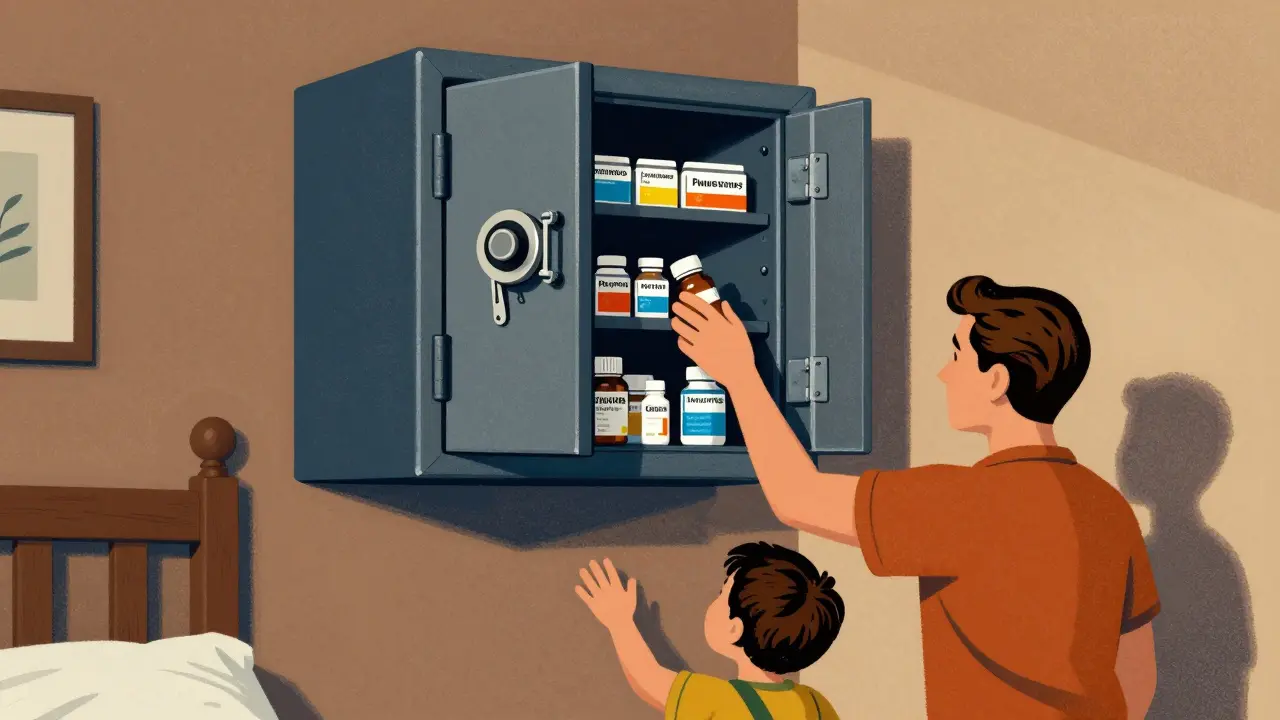
The EPA states that 95% of accidental pediatric exposures could be prevented with proper storage. Locked cabinets reduce access by 92% compared to unlocked ones. You don’t need a bank vault. A simple locking box or a dedicated medication safe works. Install it high up-above 5 feet-out of sight and reach. For elderly users with arthritis, consider combination locks with large dials rather than tiny keys that are easy to lose.
Keep medications in their original containers. Never transfer pills to unlabeled jars. Original bottles have critical information: expiration dates, lot numbers, and usage instructions. Removing this info increases identification errors by 78%, according to the FDA. If you use a pill organizer, keep the original bottles nearby for reference.
Temperature and Humidity Control
Most medications thrive in cool, dry places. The ideal temperature is between 68-77°F (20-25°C) with humidity below 60%. Avoid storing meds in cars, kitchens near stoves, or windowsills where sunlight hits them. Light-sensitive drugs like tetracycline degrade 40% faster in direct sun.
Some medicines, like certain insulins and liquid antibiotics, need refrigeration. Store them in the main body of the fridge, not the door, where temperatures fluctuate. Keep them in a separate, lockable container so they aren’t mistaken for food. Never freeze medications unless the label explicitly says so.
Safe Disposal Practices
Holding onto old meds is dangerous. Expired drugs may not work, and unused opioids pose a theft risk. Flushing them down the toilet contaminates water supplies. Pouring them in the trash risks scavenging by pets or children.
Use drug take-back programs. The DEA operates thousands of permanent collection sites across the U.S. You can also drop off unwanted meds at many police stations or pharmacies during National Prescription Drug Take Back Days. If no program is available, mix the pills with an unappealing substance like dirt, cat litter, or used coffee grounds. Place the mixture in a sealed plastic bag and throw it in the trash. Scratch out personal information on the prescription labels before discarding the bottles.
Creating a Household Safety Routine
Safety isn’t a one-time fix; it’s a habit. Start with a home audit. Go through every room and find all medications. Consolidate them into one or two secure locations. Set a quarterly reminder to check expiration dates and discard anything old.
Establish rules for administration. Never leave meds on the counter while preparing doses. Put them back in the locked container immediately after use. Teach older children and teenagers about the dangers of sharing prescriptions. Open conversations reduce curiosity and misuse.
If you live with someone who has mobility issues, balance security with accessibility. Voice-activated smart locks or wall-mounted safes at waist height can help. The goal is to make safe storage easy, not burdensome. Studies show that after three weeks, these new habits become automatic.
Why This Matters Now
The rise of online shopping has made counterfeit drugs easier to buy and harder to trace. At the same time, awareness of home safety is growing. By securing your medications and verifying their authenticity, you protect your health, your family, and your community. It’s a small effort that prevents big tragedies.
Where is the safest place to store medication at home?
The safest place is a locked cabinet or box in a cool, dry area like a bedroom closet or dresser. Avoid bathrooms due to humidity and heat. Store it high up, out of reach of children, and keep medications in their original containers.
How can I tell if my medication is counterfeit?
Look for spelling errors on packaging, damaged seals, or unusual colors/textures in the pills. Verify the source by buying only from licensed pharmacies. Use QR code verification if available, and be wary of prices that are significantly lower than market rate.
Should I flush expired medications down the toilet?
Should I flush expired medications down the toilet?
Generally, no. Flushing contaminates water supplies. Instead, use drug take-back programs at pharmacies or police stations. If unavailable, mix pills with unappealing substances like coffee grounds, seal them in a bag, and dispose of them in the trash.
Does humidity really ruin medication?
Yes. High humidity, common in bathrooms, can cause chemicals in pills to break down. For example, aspirin can turn into vinegar and salicylic acid within weeks. Store meds in dry areas to maintain their potency and safety.
Are child-resistant caps enough to keep kids safe?
No. Child-resistant caps reduce risk by about 45%, but locked storage reduces it by 92%. Caps can be opened by older children or teens. Always combine caps with locked storage for maximum protection.