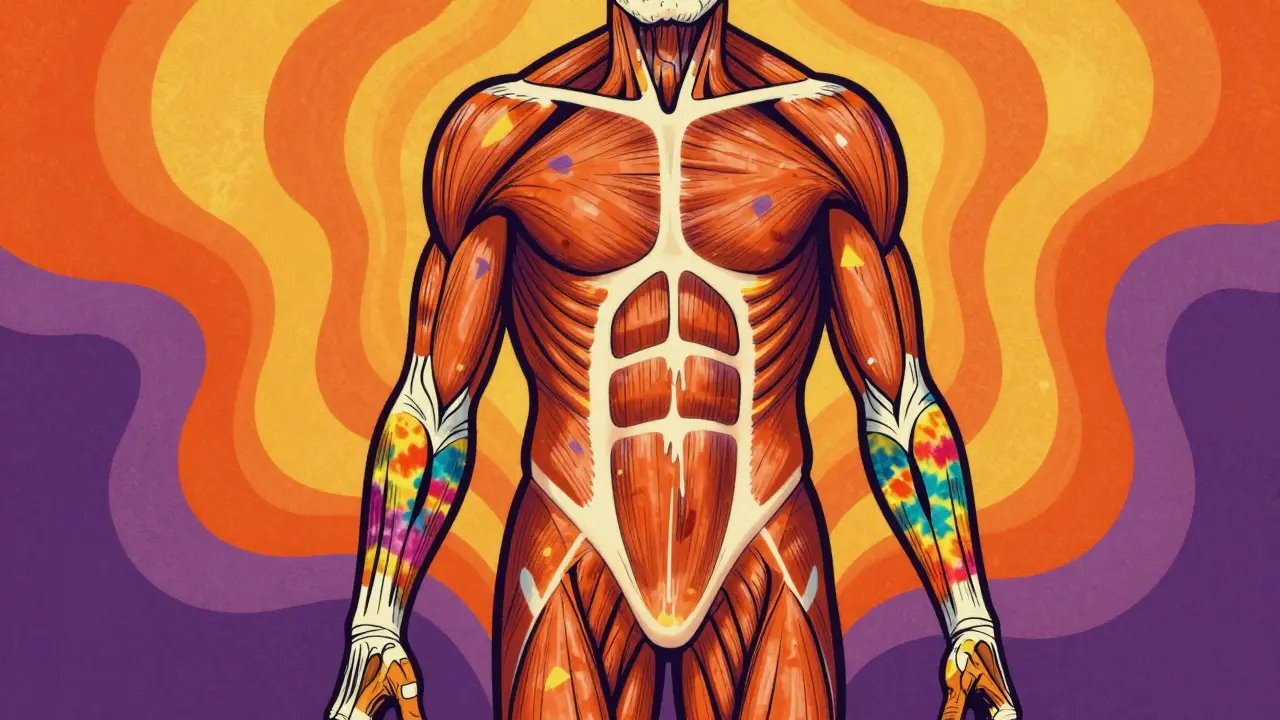
You don't have to accept weakness as a normal part of getting older. While it is true that we naturally lose muscle mass and strength as we age, this process is not inevitable, nor is it irreversible. The condition known as Sarcopenia is the progressive, age-related decline in skeletal muscle mass, strength, and physical function affects millions of adults, but the most effective weapon against it is already available: strength training.
Most people assume that muscle loss only happens when you are very old. In reality, the clock starts ticking much earlier. Research shows that skeletal muscle mass begins to decline as early as your third or fourth decade of life (your 30s and 40s). After age 65, this loss accelerates, with individuals losing between 1% and 2% of their muscle mass annually. By the time someone reaches 80, they may have lost up to 30-40% of their fast-twitch muscle fibers, which are critical for quick movements like catching yourself during a fall.
Understanding Sarcopenia vs. Other Muscle Conditions
To fight sarcopenia effectively, you first need to understand what it is-and what it isn't. Many people confuse general muscle atrophy with sarcopenia, but there are distinct differences.
| Condition | Primary Cause | Key Characteristic | Onset |
|---|---|---|---|
| Sarcopenia | Aging process | Loss of both muscle mass and strength | Starts in 30s-40s; accelerates after 65 |
| Muscular Atrophy | Disuse or disease (e.g., bed rest) | Rapid loss due to lack of use | Any age |
| Dynapenia | Neuromuscular decline | Loss of strength without significant mass loss | Older adulthood |
| Cachexia | Systemic inflammation/cancer | Severe weight and muscle loss with metabolic changes | Associated with illness |
Sarcopenia is specifically defined by the European Working Group on Sarcopenia in Older People (EWGSOP) through strict diagnostic criteria. According to the updated EWGSOP3 guidelines from 2023, a diagnosis requires low muscle strength combined with low muscle quantity or quality. For example, handgrip strength below 27kg for men or 16kg for women, along with appendicular lean mass below specific thresholds measured via DXA scanning, confirms the condition. This precision matters because treating sarcopenia requires a different approach than treating simple disuse atrophy.
The Physiology Behind Muscle Loss
Why does our body lose muscle as we age? It is not just about "not using it." Several physiological mechanisms work against us:
- Motor Neuron Loss: We lose 3-5% of motor neurons per year after age 60. These nerves signal muscles to contract. Fewer signals mean less muscle activation.
- Fiber Type Shift: Type II (fast-twitch) fibers, responsible for power and speed, atrophy faster than Type I (slow-twitch) fibers. This is why older adults often feel slower and less explosive in their movements.
- Satellite Cell Decline: Satellite cells help repair and build muscle. Their activity drops by 50-60% by age 70, making recovery from exercise harder.
- Hormonal Changes: Reduced levels of testosterone and growth hormone contribute to decreased protein synthesis rates.
Additionally, chronic low-grade inflammation-often called "inflammaging"-elevates cytokines like IL-6 and TNF-α by 30-50% in older adults. This inflammatory state promotes muscle breakdown and inhibits new muscle formation. Understanding these biological hurdles helps explain why simply "eating more" isn't enough; you must actively stimulate the muscle through resistance.
Strength Training: The Gold Standard Intervention
If sarcopenia is the problem, strength training is the solution. Dr. Jeremy D. Walston from Johns Hopkins University notes that resistance exercise can increase muscle mass by 1-2kg and strength by 25-30% in older adults within just 12-16 weeks. This is not theoretical; it is clinically proven.
The American College of Sports Medicine (ACSM) provides clear parameters for effective training:
- Frequency: 2-3 sessions per week.
- Intensity: 60-80% of your one-repetition maximum (1RM).
- Volume: 1-3 sets of 8-12 repetitions per exercise.
- Recovery: Allow 48 hours between sessions targeting the same muscle groups.
Dr. Anne B. Newman from the University of Pittsburgh emphasizes that progressive resistance training twice weekly improves gait speed by 0.1-0.2m/s and reduces fall risk by 30-40%. Falls are a leading cause of injury and loss of independence in seniors, making this reduction critically important.
How to Start: A Practical Protocol
Starting strength training later in life can feel intimidating. You might worry about joint pain or not knowing where to begin. Here is a safe, step-by-step progression based on CDC guidelines and expert recommendations.
Phase 1: Foundation (Weeks 1-4)
Focus on bodyweight exercises and proper form. Do not add external weight yet.
- Chair Squats: Sit down and stand up from a chair without using your hands. Aim for 2 sets of 10 reps.
- Wall Push-Ups: Stand arm-length from a wall and perform push-ups. This builds upper body strength with minimal joint stress.
- Bridges: Lie on your back, knees bent, and lift your hips. This strengthens the glutes and lower back.
Phase 2: Resistance Introduction (Weeks 5-8)
Introduce light resistance bands (like TheraBand levels 1-2). Perform exercises at 50-60% of your max effort.
- Band Rows: Anchor a band and pull towards your torso to strengthen the back.
- Standing Calf Raises: Hold onto a counter for balance while rising onto your toes.
- Overhead Press with Bands: Push the band upward to engage shoulders.
Phase 3: Progressive Overload (Weeks 9+)
Advance to weight machines or free weights if accessible. Increase weight by small increments (2.5-5 lbs) every 1-2 weeks as long as form remains perfect.
Pro Tip: If joint pain is an issue, reduce the range of motion by 20-30 degrees initially. Pain is a signal to stop or modify, not to push through. Consult a physical therapist if pain persists.
Nutrition: Fueling Muscle Retention
Exercise stimulates muscle growth, but nutrition provides the building blocks. Older adults often suffer from "anabolic resistance," meaning they need more protein to trigger muscle synthesis than younger people.
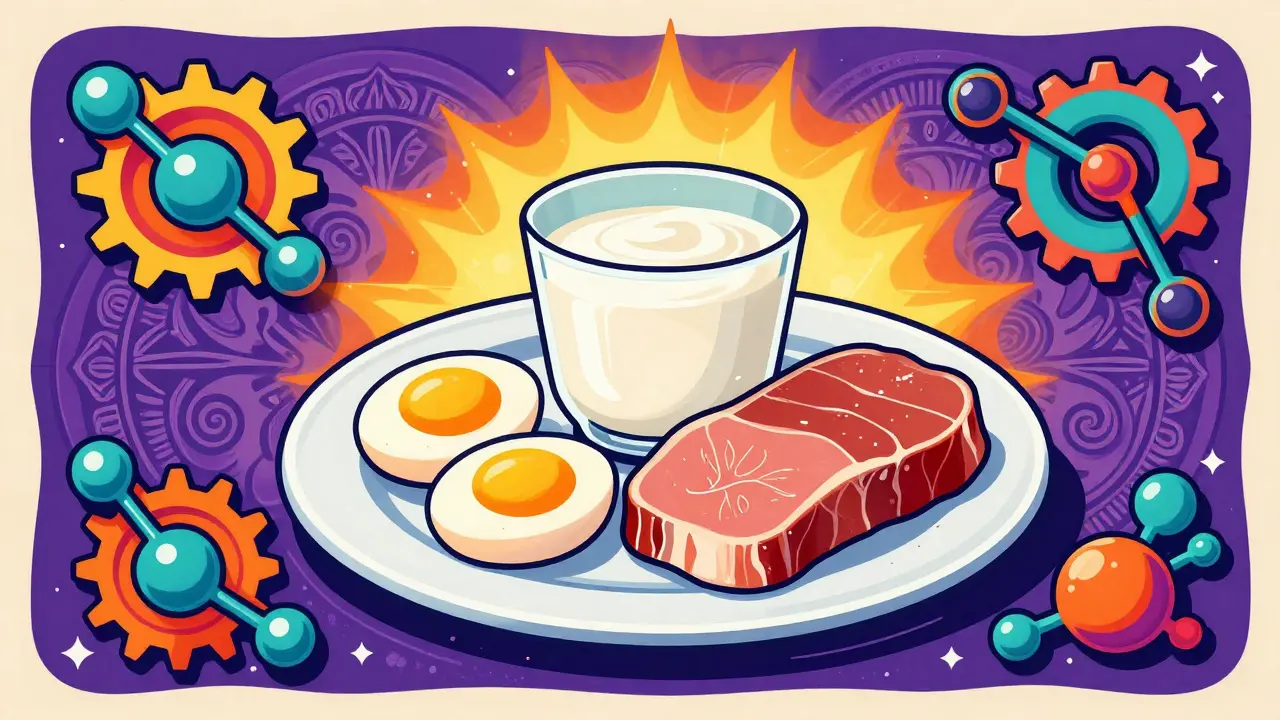
The International Society of Sports Nutrition recommends consuming 20-30g of high-quality protein within 45 minutes post-exercise. Good sources include whey protein, eggs, Greek yogurt, and lean meats. Distribute protein evenly across meals rather than eating most of it at dinner. Aim for 1.0-1.2 grams of protein per kilogram of body weight daily.
Vitamin D also plays a crucial role. Deficiency is common in older adults and linked to muscle weakness. Ensure adequate sunlight exposure or supplementation as advised by your doctor.
Overcoming Barriers to Adherence
Knowing what to do is half the battle; doing it consistently is the other half. Studies show that 40-60% of older adults struggle with adherence to strength training programs. Common barriers include:
- Joint Pain: Addressed by choosing low-impact modalities like swimming or seated resistance training.
- Lack of Knowledge: Many seniors do not know how to use gym equipment. Consider hiring a certified trainer for a few initial sessions or joining a senior-specific program like SilverSneakers.
- Cost: Personal training can be expensive. Look for community center classes or online guided workouts.
- Motivation: Social support increases adherence by 35-40%. Find a workout partner or join a group class.
Data from the National Council on Aging shows that 75% of older adults who engaged in twice-weekly strength training maintained independence in activities of daily living, compared to only 58% of non-exercisers. This statistic highlights the real-world impact of consistency.
Future Directions and Medical Advances
While strength training remains the cornerstone of treatment, medical science is exploring additional avenues. The global sarcopenia therapeutics market is growing, driven by an aging population. Recent developments include:
- Biomarkers: Researchers are identifying blood markers like myostatin and GDF-15 for early detection before significant muscle loss occurs.
- Pharmacological Interventions: Drugs targeting mitochondrial function and inflammation are in clinical trials, though none are yet approved as standalone treatments.
- AI-Powered Coaching: Apps using artificial intelligence provide real-time feedback on form and progression, improving adherence by 25% in recent trials.
However, no pill replaces the mechanical stimulus of lifting weights. Exercise remains the only intervention with robust evidence for reversing sarcopenia.
At what age should I start strength training to prevent sarcopenia?
You should start as soon as possible, ideally in your 30s or 40s, as muscle loss begins then. However, it is never too late. Studies show significant improvements in muscle mass and strength even in adults over 80 who begin resistance training.
Is walking enough to prevent muscle loss?
No. Walking is excellent for cardiovascular health and bone density, but it does not provide sufficient resistance to stimulate muscle hypertrophy. You must incorporate resistance exercises that challenge your muscles against a load.
How much protein do I need if I am over 60?
Older adults generally need 1.0 to 1.2 grams of protein per kilogram of body weight per day. Consuming 20-30g of high-quality protein after workouts helps maximize muscle synthesis.
Can I reverse sarcopenia if I have already lost muscle?
Yes. Sarcopenia is reversible to a significant degree. With consistent strength training and proper nutrition, older adults can regain substantial muscle mass and functional strength, reducing fall risk and improving quality of life.
What are the signs that I might have sarcopenia?
Signs include difficulty rising from a chair without using arms, slower walking speed, weaker handgrip, and increased fatigue during daily activities. If you notice these changes, consult a healthcare provider for assessment.